
From the Great Wall of China to the Taj Mahal, the New Seven Wonders of the World represent very different eras, cultures and architectural traditions. They were selected in a global public voting campaign announced in 2007—not by UNESCO and not by an official international archaeological authority. Understanding that distinction makes the list more interesting, because the monuments’ historical significance does not depend on winning a popularity vote.
What are the New Seven Wonders?
The widely circulated list comprises the Great Wall of China, Petra in Jordan, Christ the Redeemer in Brazil, Machu Picchu in Peru, Chichén Itzá in Mexico, the Colosseum in Italy and the Taj Mahal in India. The New7Wonders initiative organized the selection. The ancient Seven Wonders, by contrast, were a list associated with writers in the Hellenistic world, and only the Great Pyramid of Giza survives substantially intact today.
Great Wall of China
The Great Wall is not one continuous structure built at a single moment. Different Chinese states and dynasties constructed, rebuilt and connected defensive walls over many centuries. Sections associated with the Ming dynasty are among the best-known today. The wall illustrates military strategy, labor organization and the interaction between settled states and communities across northern frontiers. Claims that it is easily visible from the Moon are false.
Petra, Jordan
Petra flourished as a major center of the Nabataean kingdom, benefiting from trade networks that connected Arabia, the Mediterranean and surrounding regions. Its most famous monuments are carved into sandstone cliffs, but the archaeological site also includes water-management systems, tombs and urban remains. The monumental façade known as Al-Khazneh, or the Treasury, is only one part of a much larger historical landscape.
Christ the Redeemer, Brazil
The Christ the Redeemer statue stands on Corcovado Mountain overlooking Rio de Janeiro. Completed in 1931, the Art Deco monument has become an internationally recognizable symbol of the city. Its location, engineering and religious symbolism explain much of its cultural prominence. Unlike several ancient monuments on the list, it is a twentieth-century work.
Machu Picchu, Peru
Machu Picchu is an Inca site in the Andes, associated with the fifteenth century. Its stone construction, terraces and relationship with the surrounding mountain environment reveal sophisticated planning and engineering. Scholars continue to study its original functions and the people who lived and worked there. Visitor access is managed to help protect the fragile archaeological landscape.
Chichén Itzá, Mexico
Chichén Itzá was an important center in the Maya world on the Yucatán Peninsula. Its architecture and material culture reflect complex political, religious and cultural connections. El Castillo, also called the Temple of Kukulcán, is especially recognizable, but the site’s ball courts, temples and other buildings are equally important for understanding its history. Archaeological interpretation continues to develop as research advances.
The Colosseum, Italy
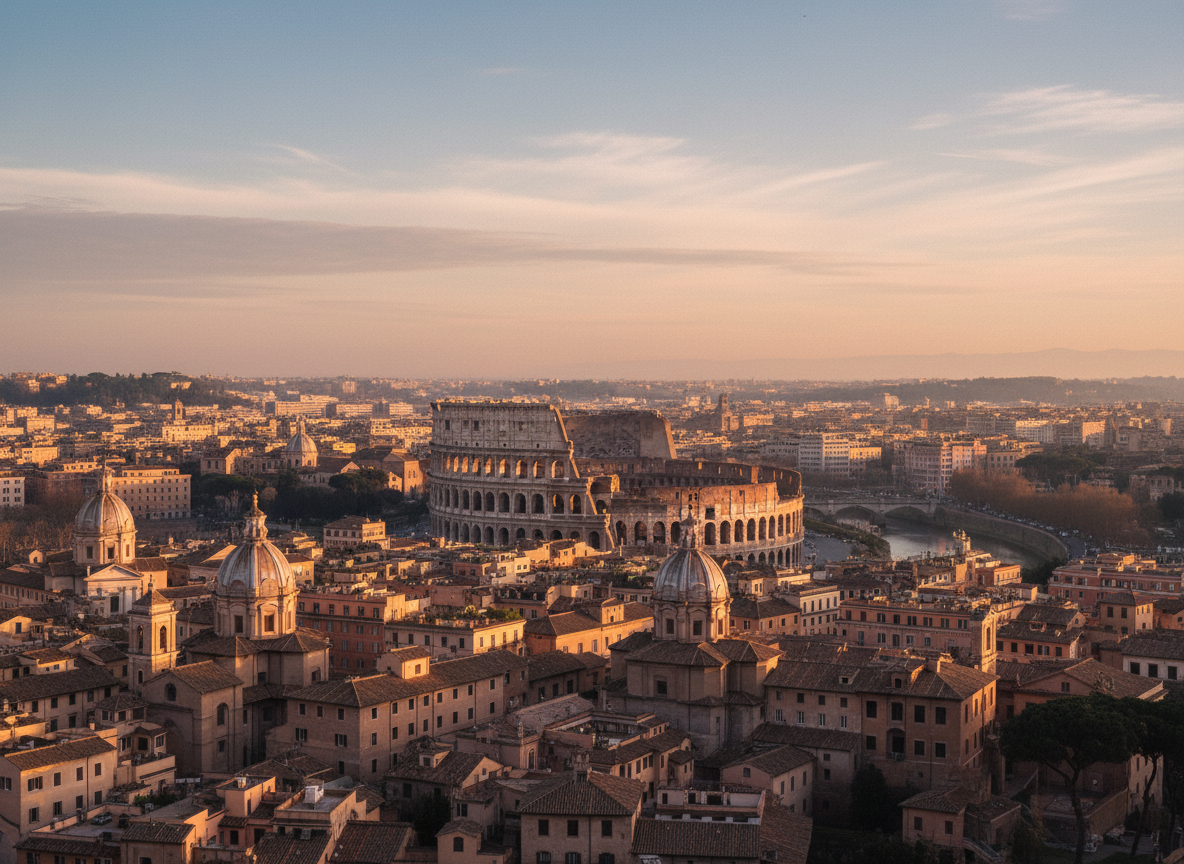
Rome’s Colosseum, also known as the Flavian Amphitheatre, opened in the first century CE. It hosted public spectacles, including gladiatorial contests, within the social and political framework of imperial Rome. Its arches, circulation routes and large-scale construction demonstrate Roman engineering, while its history also raises questions about violence, power and entertainment in antiquity.
Taj Mahal, India
The Taj Mahal in Agra was commissioned by Mughal emperor Shah Jahan in memory of Mumtaz Mahal. Built principally in the seventeenth century, the marble mausoleum forms part of a carefully planned complex of gardens, gateways and associated buildings. Its architecture brings together elements of Mughal design, craftsmanship and landscape planning. The monument is also a UNESCO World Heritage Site.
Are the Seven Wonders UNESCO World Heritage Sites?
Several of the monuments are included in UNESCO World Heritage properties, but the New Seven Wonders campaign and UNESCO’s World Heritage system are separate. UNESCO uses formal evaluation criteria and a state-led nomination process, whereas the 2007 campaign relied on public participation. The distinction matters whenever a website describes the wonders as an “official UNESCO ranking.”
What about the Great Pyramid of Giza?
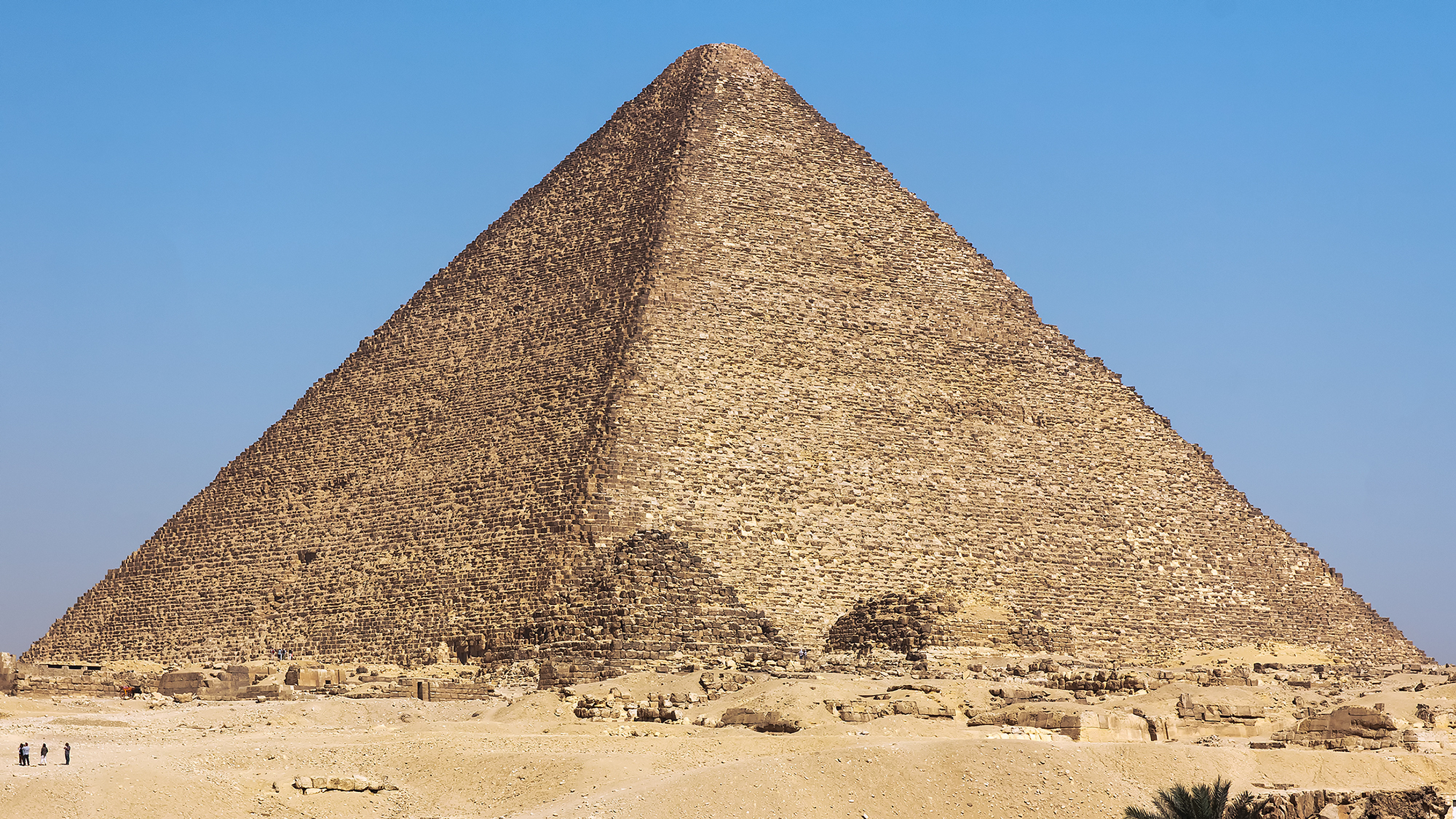
The Great Pyramid of Giza is the sole surviving monument of the traditional ancient Seven Wonders. The New7Wonders campaign recognized it separately with an honorary status rather than placing it among the seven winning monuments. The ancient and modern lists therefore should not be presented as interchangeable.
Planning a responsible visit
Monuments have different entry systems, conservation rules and seasonal conditions. Check official visitor guidance, respect restricted areas and avoid touching vulnerable surfaces. Support qualified local guides and businesses, and remember that living communities exist around many of these sites. Responsible tourism helps protect places that have significance far beyond photographs.
Sources and related reading
For independently documented heritage information, consult the UNESCO World Heritage List, the Encyclopaedia Britannica overview of the Seven Wonders and the New7Wonders initiative for details of the modern campaign. Read our related explainers on UNESCO World Heritage Sites and ancient cities that shaped world history.
Frequently asked questions
Who chose the New Seven Wonders?
The New7Wonders initiative announced the results of its public-voting campaign in 2007.
Is the Great Pyramid of Giza on the modern list?
It received separate honorary recognition and is the surviving wonder of the traditional ancient list.
Did UNESCO create the New Seven Wonders list?
No. UNESCO’s World Heritage programme is independent of the public-voting campaign.
Discover more from NewsNation Online
Subscribe to get the latest posts sent to your email.
आपके लिए सुझाव












Leave a Reply