

Lawyers seek SCBA resolution after Supreme Court march
New Delhi / Jalna: Approximately 200 lawyers submitted a representation dated October 13, 2026, asking the Supreme Court Bar Association (SCBA) to pass a resolution condemning the October 12 march towards the Supreme Court by Rahul Gandhi and other opposition figures. Advocate Mahesh Sitaram Dhannawat of Jalna has separately expressed an objection grounded in judicial independence. There is no confirmation that he signed the representation submitted by the approximately 200 lawyers.
What happened on October 12?
According to Verdictum, Leader of the Opposition Rahul Gandhi, Congress President Mallikarjun Kharge, Trinamool Congress leader Mamata Banerjee, Samajwadi Party chief Akhilesh Yadav, RJD leader Tejashwi Yadav and other opposition figures marched towards the Supreme Court. The event took place in connection with a petition alleging large-scale voter deletions and irregularities in the Special Intensive Revision (SIR) of electoral rolls. The report says leaders reached the filing counter in connection with the petition.
What did the lawyers allege?
The October 13 letter referred to Rahul Gandhi versus Election Commission of India, Diary No. 64196/2026. The signatories characterised the mobilisation of large numbers of political supporters as a display of political and numerical strength that could create an impression of indirect pressure on judicial proceedings. They acknowledged that every citizen has a constitutional right to approach the Supreme Court, while arguing that this right must be exercised with due regard for judicial dignity, independence and institutional integrity.
Concerns about a precedent for other courts
The representation argued that filing a case before the highest constitutional court should not resemble an election nomination accompanied by a political procession. The lawyers warned that if influential litigants began arriving with convoys and hundreds or thousands of supporters, similar practices could spread to High Courts and District Courts. They urged the SCBA to reaffirm equality before the law, judicial independence and constitutional principles, irrespective of the political party or individual involved.
Chief Justice’s decision and related litigation
According to the report, Chief Justice of India Surya Kant declined a request by Rahul Gandhi and Mallikarjun Kharge for an administrative meeting to submit a memorandum addressing issues including the Election Commission, student arrests and transit disruptions. The principle of separation of powers was cited. Senior Advocates Mahesh Jethmalani and Gaurav Bhatia also referred to a petition concerning the gathering at the Supreme Court. The Court reportedly indicated that it would hear a writ petition about the events.
Separate proceedings concerning October 10 protests
Verdictum also referred to a special Sunday hearing in which the Court issued notice in a contempt plea alleging non-compliance by Union and Delhi officials with its directions. The report said the Court had earlier directed reconsideration of a complete prohibition on Metro and train movements ahead of October 10 protests. This is a separate procedural context from the lawyers’ October 13 representation concerning the October 12 march.
Approved statement of Advocate Mahesh Dhannawat
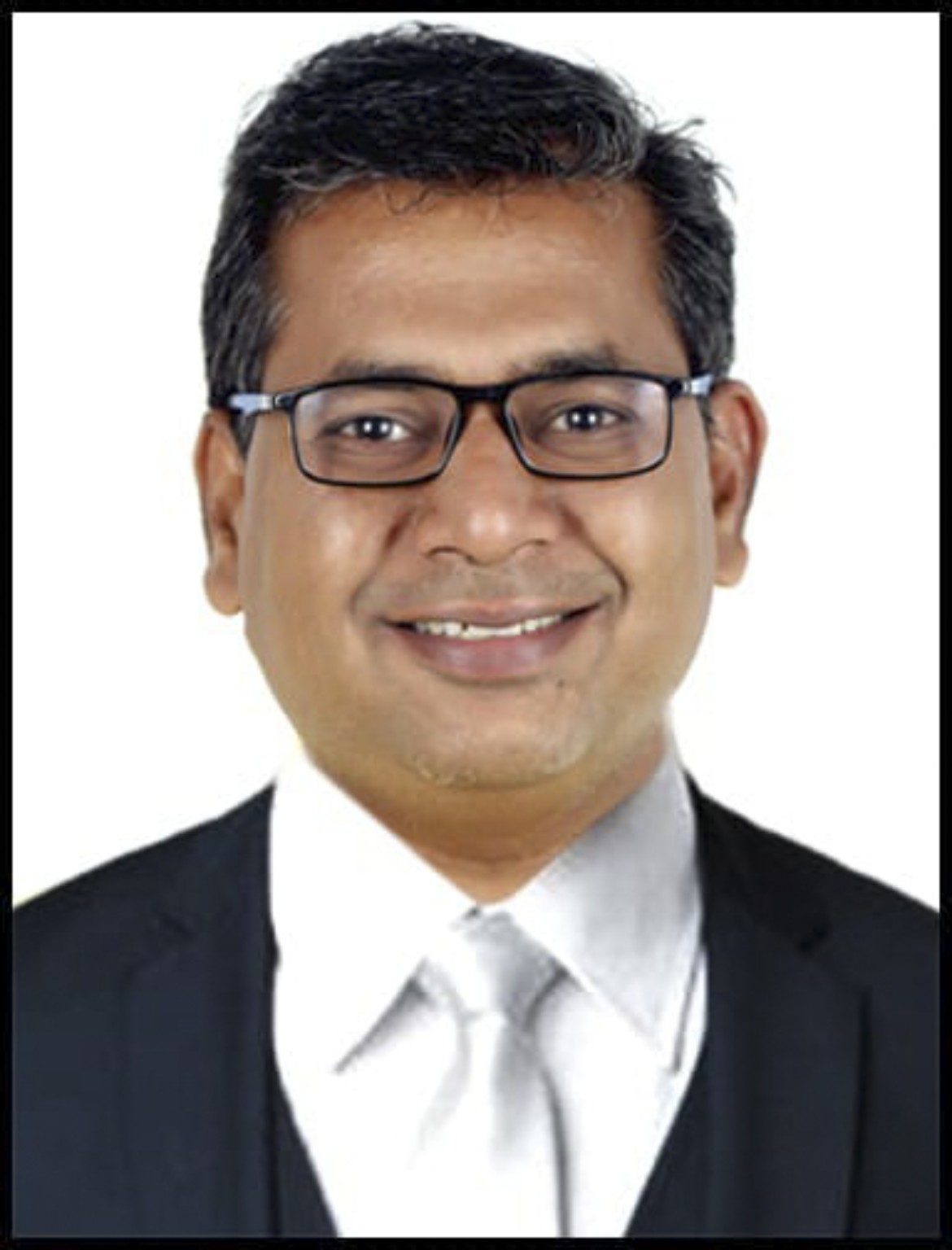
Whether it is Rahul Gandhi or any other influential political leader, everyone is equal before the law. Every citizen has the constitutional right to seek justice from the Supreme Court, but the judicial process must not become a platform for demonstrating political or numerical strength. Judicial decisions must be guided exclusively by the Constitution, applicable laws, evidence and established procedures, never by the size of a political gathering. Protecting judicial independence is a responsibility shared by every political party. Any rules governing political mobilisation near courts must be fair, reasonable and applied equally to everyone.
Adv. Mahesh Sitaram Dhannawat, B.Com., LL.M., Jalna, Maharashtra
Balancing peaceful protest and judicial independence
The controversy raises the question of how to protect the constitutional right to peaceful protest while ensuring that courts remain free from intimidation, disruption and improper influence. The claims in the lawyers’ letter are allegations and concerns, not a final judicial determination that the march actually pressured or influenced the Court.
Image: AI-generated illustration, not a photograph of the reported event.
Source: Verdictum, Aastha Kaushik, 14 October 2026.
Discover more from NewsNation Online
Subscribe to get the latest posts sent to your email.
आपके लिए सुझाव












Leave a Reply