Seattle, October 2, 2026: Amazon is reportedly exploring a financing structure that would move about $8 billion of advanced Nvidia artificial-intelligence chips into a special-purpose investment vehicle and then lease the hardware back, highlighting just how capital-intensive the global AI infrastructure race has become.
The Financial Times reported the discussions, citing people familiar with the matter. Reuters reported on October 2 that Amazon has held talks with investors about transferring thousands of Nvidia Grace Blackwell chips being installed in U.S. data centers to a special-purpose vehicle, or SPV. Amazon would then lease the chips back. Amazon and Nvidia had not immediately commented to Reuters on the report.
How the reported $8 billion structure could work
Under the reported plan, the special-purpose vehicle would hold the expensive computing hardware rather than Amazon keeping all of it directly on its balance sheet. Outside investors could finance the vehicle through debt, while Amazon may offer an equity stake of as much as 10%. The cloud company would continue using the chips by leasing them from the vehicle.
This type of arrangement can separate ownership of an asset from its operational use. Airlines, real-estate companies and infrastructure businesses have long used variations of leasing and special-purpose financing. Applying a similar concept to AI accelerators illustrates how computing hardware is beginning to resemble a new class of infrastructure asset.
Why AI chips have become a balance-sheet issue
Training and operating advanced AI systems requires enormous amounts of computing power. Nvidia’s latest accelerators are costly individually, but the larger expense comes from deploying them by the thousands together with networking equipment, servers, cooling systems, power infrastructure and data-center buildings. Cloud companies are therefore committing tens of billions of dollars to AI capacity.
The chips involved in Amazon’s reported transaction were bought or leased by the company and are being installed in more than a dozen data centers across five U.S. states, including Nevada and Virginia, according to the FT report cited by Reuters. Northern Virginia is already one of the world’s most important data-center markets, with Amazon Web Services operating extensive infrastructure in the region.
Blackwell sits at the center of the AI infrastructure boom
Nvidia’s Blackwell generation was designed for demanding AI workloads. The rapid adoption of such accelerators has made Nvidia a central supplier to the world’s biggest cloud and technology companies. But that demand also creates a financial challenge: hardware must often be purchased before customers generate enough cloud revenue to repay the investment.
That timing mismatch helps explain the attraction of outside financing. An SPV could allow investors seeking exposure to AI infrastructure to fund the equipment while Amazon retains operational access. For Amazon, such a structure could reduce the amount of capital tied directly to the chips and make its approach more asset-light, according to the reported proposal.
Amazon is not stepping away from AI spending
A financing transaction should not be confused with Amazon reducing its strategic commitment to artificial intelligence. AWS competes directly with Microsoft Azure, Google Cloud and other providers for companies building and deploying AI models. Access to advanced accelerators is a crucial part of that competition.
The reported deal is better understood as a question of how to finance rapid expansion. If cloud demand continues to grow, enormous AI capital expenditure may be economically justified. If demand falls short of expectations, however, companies could be left with expensive hardware whose value declines as newer generations arrive. Transferring some ownership to outside investors can redistribute that risk.
NewsNationOnline’s Federal Reserve rate outlook explains another important part of this story: borrowing costs remain elevated. Higher interest rates make the financing of data centers and computing equipment more expensive, increasing pressure on companies to find efficient capital structures.
Why investors may want to own AI hardware
For outside investors, a vehicle holding high-end AI chips could offer exposure to the infrastructure supporting the AI boom without requiring them to build a cloud business themselves. Returns would depend on the lease structure, financing costs, residual value of the equipment and the creditworthiness of the lessee.
There are also risks. Semiconductor technology advances rapidly, meaning today’s premium accelerator can become less valuable when a more efficient generation arrives. AI hardware also depends on specialized data-center environments, so it is not as easily redeployed as many conventional assets. Investors would need to evaluate technological obsolescence as carefully as demand.
The AI spending race is reshaping global capital markets
Reuters reported separately on October 2 that global equity funds attracted $34.76 billion in net inflows during the week through September 30 as optimism around AI investment remained strong. Goldman Sachs estimates cited by Reuters indicated that major U.S. hyperscalers are on track to spend roughly $800 billion in capital expenditure during 2026, with consensus expectations rising to about $1.1 trillion in 2027.
Those numbers help explain why new financing structures are emerging. The AI boom is no longer only a software or semiconductor story. It increasingly involves debt markets, infrastructure funds, utilities, real estate, energy supply and sophisticated asset financing.
What the reported deal could mean for Nvidia
For Nvidia, alternative financing mechanisms could potentially make it easier for major customers to continue ordering large quantities of accelerators. The company benefits when cloud providers can expand capacity, although the Reuters report did not indicate Nvidia itself was financing Amazon’s proposed vehicle.
The broader semiconductor industry is watching whether today’s unprecedented AI spending can continue. Memory makers, networking companies, data-center operators and power suppliers have all benefited from the build-out. A slowdown by the largest cloud companies would therefore have consequences well beyond Nvidia.
What happens next?
The proposed transaction remains a reported plan rather than a completed deal. Key details—including the final size of the vehicle, investor participation, lease terms, debt structure and whether Amazon ultimately proceeds—could change. That uncertainty should remain part of any interpretation of the story.
Even so, the proposal reveals something important about the current stage of the AI boom. The industry’s challenge is shifting from simply obtaining the best chips to financing enormous fleets of them efficiently. If Amazon completes a transaction of this scale, it could become a closely watched model for how technology companies fund the next generation of AI infrastructure.
Sources and image credit
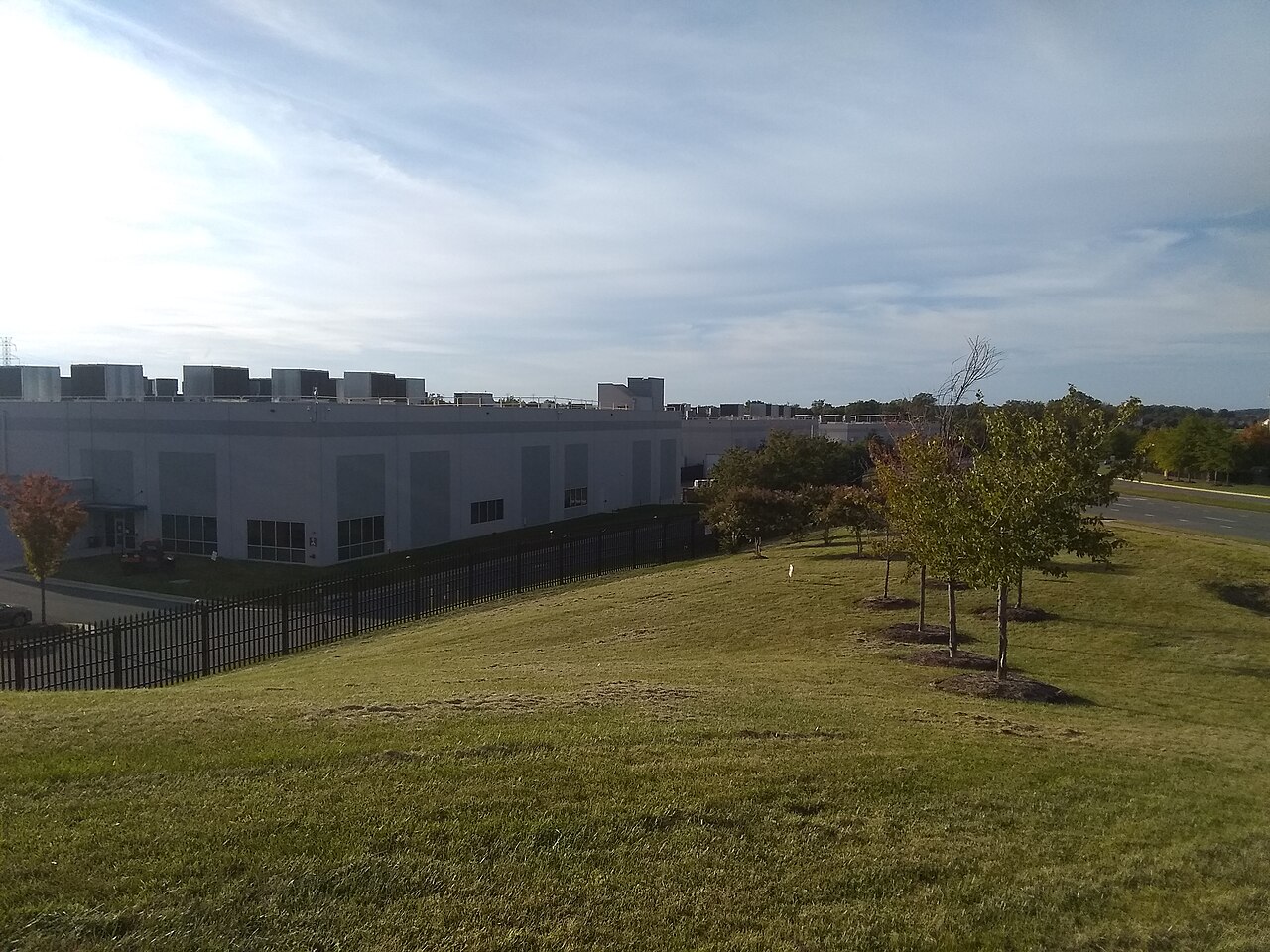
This report is based primarily on Reuters’ October 2 coverage of the Financial Times report, together with Reuters data on global investment flows and public information about AI infrastructure. Featured image: AWS servers in Ashburn, Virginia, photographed by Vahurzpu via Wikimedia Commons, licensed CC BY-SA 4.0.
आपके लिए सुझाव
