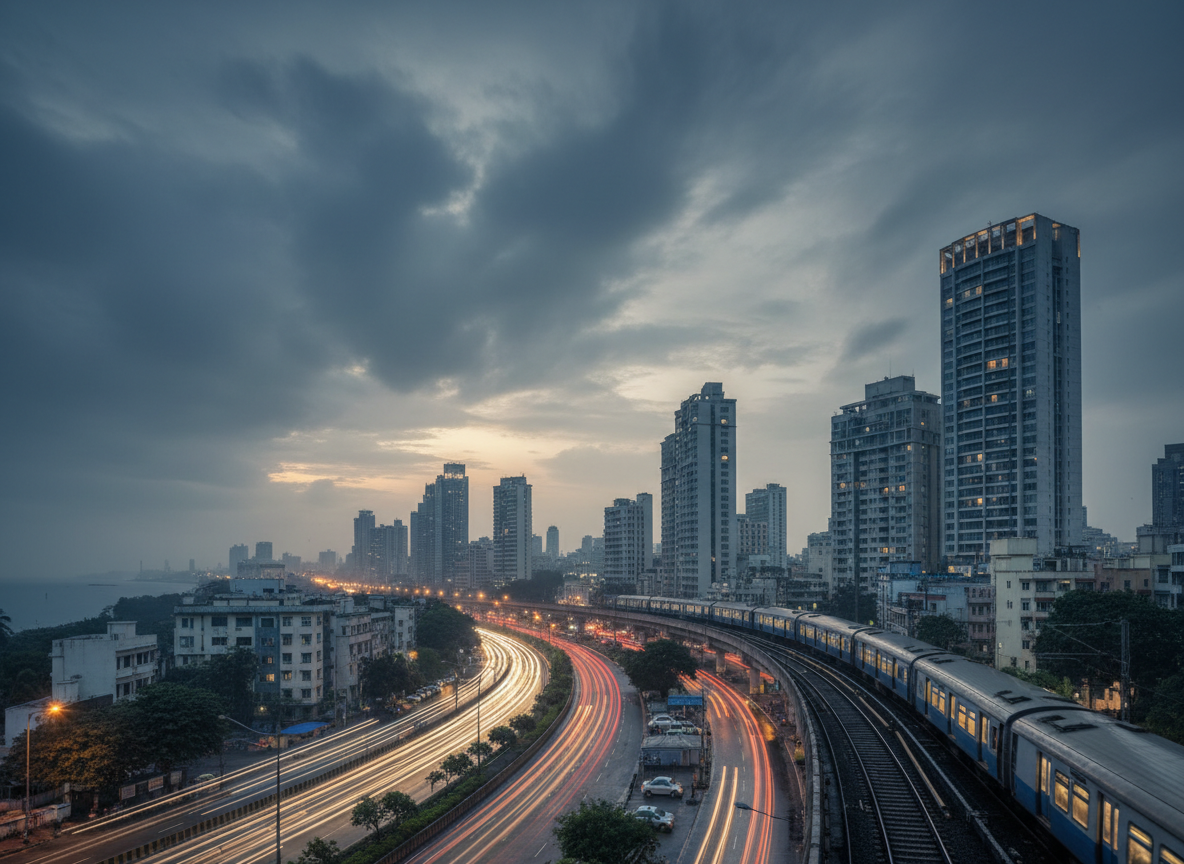

MUMBAI, October 2, 2026: Mumbai has entered the post-monsoon period with rainfall below normal, with September recording a reported 15% deficit. The shortfall has increased attention on water management, groundwater, reservoir planning and the city’s preparedness for the months ahead.
The Indian Express reported that the suburban weather station recorded 308 mm of rain during September, below the long-term normal. The Times of India separately reported that South Mumbai received around half its typical September rainfall.
September normally matters to Mumbai
September is an important part of Mumbai’s monsoon because rainfall during the latter part of the season can contribute to reservoir storage before the dry months. When the final phase is weaker than normal, authorities have less opportunity for late-season replenishment.
A rainfall deficit does not automatically translate into an immediate water shortage. The actual situation depends on reservoir levels accumulated during earlier months, catchment rainfall and the rate at which water is consumed. Mumbai’s water system therefore needs to be assessed through storage data as well as rainfall totals.
Why the deficit matters after the monsoon
Once the southwest monsoon withdraws, rainfall generally becomes less dependable. Demand can continue through winter and rise toward summer. If storage is lower than planned, the city may need stronger conservation measures or additional contingency sources.
The BMC has already announced measures aimed at strengthening water resilience. These include reviving selected wells, improving the response to contaminated-water complaints and examining distribution losses. Such measures become more relevant when the natural water cycle is less favourable.
Rainfall can be uneven across the city
Mumbai’s rainfall varies substantially between locations. A citywide percentage is therefore an average and cannot describe conditions in every neighbourhood. Short intense storms may produce flooding in one location while another area receives much less rain.
For water planning, the distribution and timing of rain can matter as much as the final seasonal total. Reservoir catchments and groundwater recharge zones require particular attention because rainfall outside those areas may not contribute equally to water storage.
What residents should do
Residents can reduce pressure on the municipal system by avoiding unnecessary water use, repairing leaks and maintaining building-level storage systems. Housing societies can check pumps, overhead tanks and internal pipelines. Businesses can review high-consumption processes and reuse water where appropriate and permitted.
Rainwater harvesting can also contribute to local recharge or non-potable use when designed and maintained according to technical requirements. Residents should follow local rules rather than installing systems that create sanitation or structural problems.
Groundwater as a supplementary source
The BMC’s decision to revive wells is one response to the water challenge. Groundwater can provide a local buffer, but it must be monitored for quantity and quality. Coastal areas also face the additional risk of salinity.
Groundwater should therefore complement rather than replace the city’s main water-supply system. Regular testing is essential where water is used for drinking.
Public communication is important
Water management can become a source of public concern when residents do not know whether a shortage is temporary, local or citywide. Clear information about reservoir storage, supply schedules, conservation measures and complaint resolution can reduce uncertainty.
The official Mumbai City district administration website publishes citizen information and emergency contacts. NewsNationOnline’s Mumbai News section will continue following rainfall and civic developments.
What to watch in the coming months
The key indicators will be reservoir storage, water consumption, groundwater conditions and any additional rainfall after monsoon withdrawal. Authorities may adjust supply management if conditions change. Residents should follow official notices rather than relying on unverified claims about shortages.
Source note: Rainfall figures are based on recent reporting by The Indian Express and The Times of India. Local rainfall and water conditions can vary, so official BMC advisories remain the appropriate source for supply decisions.
आपके लिए सुझाव
