
WordPress Daily Writing Prompt #2103: What is your favorite form of physical exercise?
The exercise that asks for nothing impressive
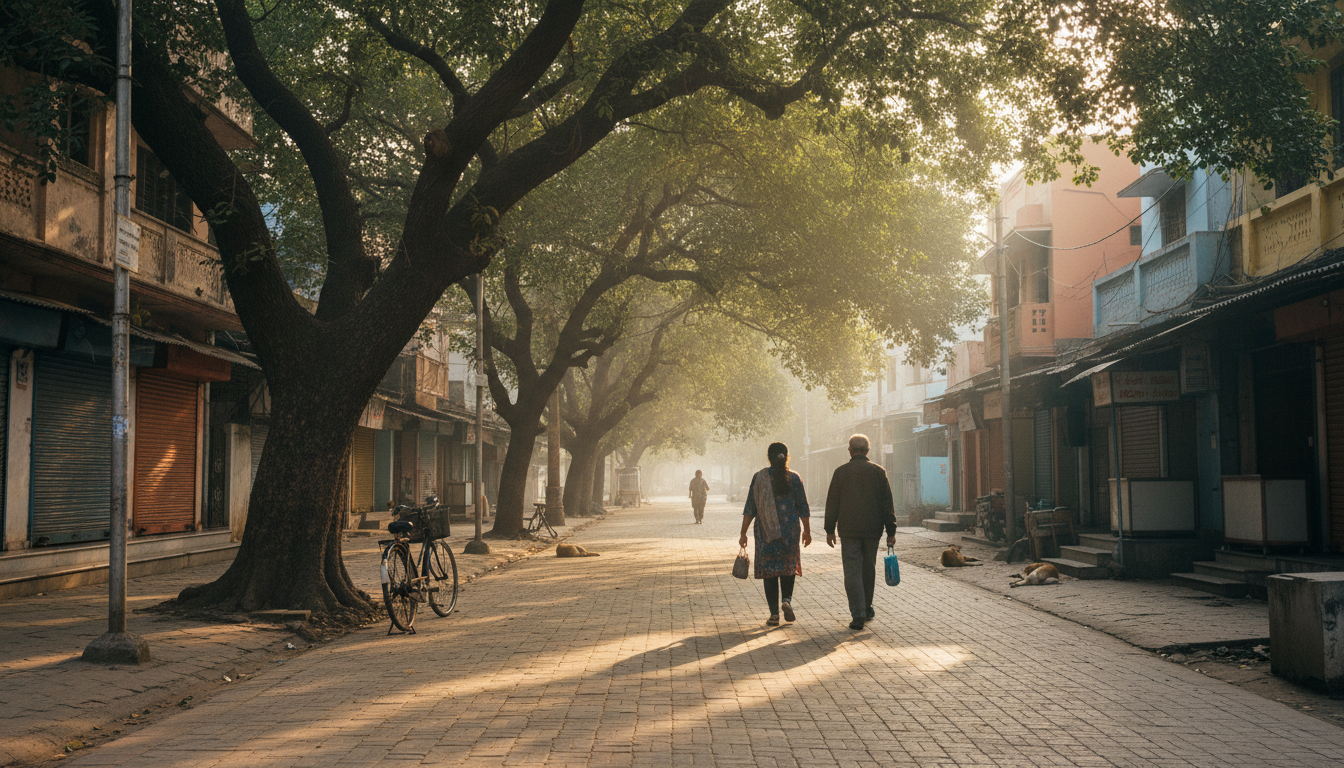
If someone asks me to choose a favorite form of physical exercise, I would choose walking. It is not the fastest, most fashionable or most dramatic answer. There is no finish line, no special equipment and no audience waiting to applaud. That is precisely its appeal. Walking lets movement belong to ordinary life. A person can step outside for a few minutes, take a longer route home or walk beside a friend. The distance may be modest, but the experience can be surprisingly rich. In a culture that often measures achievement through speed and numbers, walking offers another possibility: moving without needing to prove anything.
Not every worthwhile step needs a score
Fitness apps can be useful, and some people enjoy counting steps or tracking progress. Yet I dislike the idea that a walk becomes valuable only when a device confirms it. A ten-minute stroll after a demanding day is not a failure because it falls short of a target. Nor is a slow walk with an older relative less meaningful than a brisk solo session. We should be able to enjoy movement without turning every outing into a competition. The simplest habit may be the one we can return to consistently, even when our schedules, energy and circumstances change.
Walking helps us notice where we live
A city looks different at walking speed. From a moving vehicle, we may see only traffic, buildings and the next signal. On foot, we notice a tree shading a shopfront, a newly repaired wall, a familiar greeting or a footpath blocked by parked vehicles. These details are not trivial. They tell us how a neighbourhood works and who has been considered in its design. A walk can become a small lesson in civic life: where children cross roads, where older residents rest and where pedestrians are expected to make way for everything else.
Room for thought, not a promise of miracles
There are days when thoughts become crowded and every notification seems urgent. A walk can create a pause between one responsibility and the next. Sometimes a difficult idea becomes clearer; sometimes nothing remarkable happens, and that is fine too. I would not claim that walking solves anxiety, grief or exhaustion. It is not a substitute for treatment, rest or human support. But the modest rhythm of putting one foot in front of the other can offer a welcome change of scene. Our earlier reflection on choosing presence over busyness explores a similar desire to give attention back to everyday life.
The health benefits matter, without the hype
Walking is also a practical way to be physically active. The World Health Organization’s physical activity guidance identifies walking among accessible forms of movement and explains the wider physical and mental benefits of regular activity. Those benefits are worth understanding, but a reflection should not turn them into a guarantee for every individual. Fitness needs vary, and people with health concerns may need personalised advice. Readers looking for a more practical approach can explore our separate guide to building a sustainable walking routine for heart health. My interest here is broader: the freedom to move without making exercise another source of pressure.
A walkable city is a fairer city
There is an important difference between telling people to walk and making it possible for them to walk safely. Uneven pavements, missing crossings, speeding vehicles, poor lighting and extreme heat can make an ordinary journey stressful or dangerous. Safe walking should not be treated as a luxury reserved for a few attractive neighbourhoods. UN-Habitat’s work on non-motorised transport emphasises the importance of designing streets for people rather than vehicles alone. The question is relevant in Indian cities too. NewsNationOnline has reported on concerns about footpath access and compliance in Pune. A pleasant walk begins with basic public infrastructure.
Accessibility belongs in the conversation
Not everyone can walk comfortably or at all, and not everyone has a safe route nearby. A thoughtful celebration of walking should not become a judgement about disability, age, illness or economic circumstances. Some people move with mobility aids; others use wheelchairs, adaptive equipment or different forms of activity. Many workers already spend long hours on their feet and need rest rather than another instruction to exercise. The deeper principle is that everyone deserves opportunities for movement, fresh air and participation that suit their abilities. Public spaces should be designed with those differences in mind.
The pleasure of a familiar route
A favourite walking route does not have to be scenic. It might be the lane leading to a neighbourhood shop, a stretch near a school or a park path that looks almost the same each morning. Familiarity can be comforting. Over time, small changes become visible: new leaves, a repaired drain, a different arrangement at a roadside stall. This attention can make a place feel less anonymous. It also reminds us that a neighbourhood is shared. We can enjoy it without blocking entrances, littering or forgetting that other people are trying to get somewhere.
Beginning small is still beginning
The idea of a perfect routine can prevent us from starting an imperfect one. We imagine an early alarm, expensive shoes and a strict schedule; then real life intervenes. I prefer a simpler approach: choose a safe, manageable route, wear comfortable footwear and make the first outing short enough to repeat. On difficult days, a brief walk may be enough. On other days, we may want company, a different route or a longer stretch. There is no moral prize for pushing through unsafe weather, pain or exhaustion. The point is to build a relationship with movement that can last.
What I hope a walk teaches me
Ultimately, walking is my choice not because it promises transformation, but because it invites attention. It asks me to recognise the ordinary streets that connect our lives, the people who share them and the small decisions that shape a healthier city. It also asks me to accept a gentler measure of progress. I do not need to outrun anyone. I only need to notice where I am, move in a way that suits the day and remember that the journey itself can be worthwhile. Some of life’s most useful discoveries arrive without a stopwatch.
Your turn: what movement feels like yours?
What is your favourite form of physical exercise, and why does it suit you? Perhaps you love swimming, cycling, dancing, stretching, playing a sport or simply taking a quiet walk. Is it the physical challenge, the company or the chance to clear your mind that brings you back? Share your answer in the comments—and tell us what would make your neighbourhood more welcoming for everyday movement.
Discover more from NewsNation Online
Subscribe to get the latest posts sent to your email.
आपके लिए सुझाव










Leave a Reply