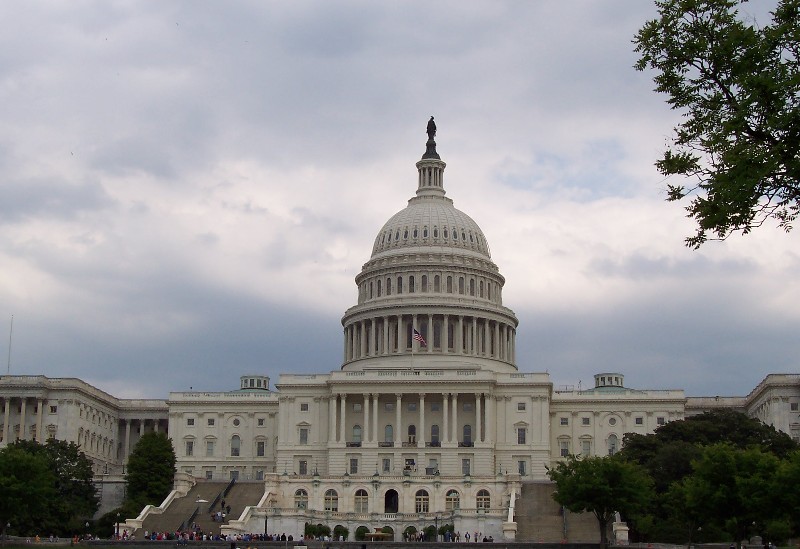
WASHINGTON | October 13, 2026. The Supreme Court has agreed to hear the Trump administration’s appeal in a major dispute over public access to records about Elon Musk’s Department of Government Efficiency. The case could clarify how federal transparency law applies to powerful initiatives working close to the White House.
What the Supreme Court agreed to decide
The United States Supreme Court has agreed to consider a dispute about access to records generated by the Department of Government Efficiency, commonly called DOGE. The case pits the Trump administration against Citizens for Responsibility and Ethics in Washington, a government watchdog known as CREW. The central question is whether the initiative must respond to requests under the Freedom of Information Act, or FOIA. The court’s decision to hear the appeal does not settle the question. Instead, it puts the legal dispute before the justices for fuller consideration. The distinction matters: a grant of review is a procedural development, not a ruling that either side has prevailed on the merits.
Why the watchdog sought the records
CREW sought information about DOGE’s operations during the early period of President Donald Trump’s second term. DOGE was associated with efforts to cut federal spending, reduce staffing and reshape government operations. Those actions made the initiative a focus of public debate about executive authority, the federal workforce and the handling of information held by government agencies. The watchdog argues that records about an initiative with substantial influence over government activity should be accessible under federal transparency law. Public records requests are one method by which journalists, researchers and members of the public can examine how official decisions are made. But whether the law reaches a particular office depends on legal definitions and the facts of how that office operates.
The administration’s argument
The Trump administration maintains that DOGE operated as a presidential advisory body rather than as a federal agency independently subject to FOIA. That distinction is central to the appeal. FOIA generally provides a route to request records from covered federal agencies, subject to statutory exemptions and other limitations. Not every organization that advises the president necessarily falls within the same disclosure rules. The administration’s position therefore focuses on the nature of DOGE’s role and its relationship to the president. A ruling accepting that argument could limit the reach of the requests at issue. A ruling rejecting it could require additional consideration of what documents must be searched for and disclosed. Neither outcome would automatically mean that every requested document becomes public.
How the dispute reached the justices
The litigation has already passed through several stages. According to Reuters, US District Judge Christopher Cooper ordered disclosures in April 2025 after finding that DOGE likely qualified as an agency covered by FOIA. The order also addressed the watchdog’s ability to question DOGE official Amy Gleason. The administration sought emergency intervention. In June 2025, the Supreme Court directed a narrower approach to the lower court’s requirements, reflecting concerns about the breadth of the directives. The case continued in the lower courts, and the administration ultimately asked the justices to take up the broader dispute. The Supreme Court’s new decision to hear the appeal means the parties will have an opportunity to argue the legal issues in greater depth.
What the legal disagreement does not establish
The dispute should not be confused with a finding that DOGE officials committed a crime, nor does the administration’s objection to disclosure establish that records were mishandled. A transparency lawsuit asks what information the law requires an institution to produce. The answer can turn on statutory language, the structure of an office, the authority it exercises and the kinds of records requested. Even if an organization is subject to FOIA, certain documents may be withheld or redacted under recognized exemptions. Conversely, a ruling that an entity is outside FOIA does not necessarily resolve every separate question about oversight or recordkeeping. Keeping these issues distinct is important for accurate reporting on a politically charged case.
Why the case matters beyond DOGE
The stakes extend beyond the particular records sought by CREW. Modern administrations often rely on advisory groups, temporary initiatives and offices that operate close to the White House. When such entities have a meaningful role in shaping policy, the public may want to know who made recommendations, what evidence informed decisions and which officials exercised authority. Courts must determine when an initiative is simply advising the president and when its actual functions resemble those of an agency. That line can affect future requests for information about government reorganizations and other executive initiatives. The ruling may therefore become a reference point in debates over transparency and presidential administration.
The significance for federal oversight
Government transparency is not only a matter of publishing documents. It is also connected to oversight by Congress, independent auditors and the public. Reuters reported that federal auditors examining safeguards around DOGE’s access to agency systems said limited information prevented them from providing full assurance that systems and data were protected. That finding is separate from the FOIA lawsuit, but it illustrates why questions about records and accountability have attracted attention. Access to accurate documentation can help clarify the scope of an initiative’s work and the safeguards surrounding it. At the same time, the government may argue that certain information deserves protection for legal, operational or security reasons. The courts must apply the relevant statutes rather than choose between broad political narratives.
What happens next
Reuters reported that the Supreme Court is expected to hear arguments and issue a ruling by the end of June. The precise schedule and the questions presented can be followed through the court’s official docket. Until the justices rule, it would be misleading to say that the watchdog has won full access or that the administration has established a permanent exemption. The immediate development is the decision to review the dispute. For readers, the most useful next steps will be the parties’ written arguments, any questions asked during oral argument and the eventual opinion explaining the legal standard. Those documents will show how the court understands the relationship between presidential advisers, government agencies and public access to records.
A note on sources and context
This report is based on contemporaneous coverage by Reuters and the Associated Press, with background about the Freedom of Information Act and the litigation’s procedural history. It is intended to explain the dispute rather than predict the justices’ votes. As new court filings and decisions become available, factual details about the case may need updating. Readers should distinguish the watchdog’s claims from the administration’s response and both from the rulings actually issued by the courts.
Sources and related reading
Reuters: Supreme Court to hear DOGE records dispute | Associated Press: DOGE transparency case | US Supreme Court
Related: US court dispute over government advertising and Federal investigation involving Ilhan Omar.
Discover more from NewsNation Online
Subscribe to get the latest posts sent to your email.
आपके लिए सुझाव

























Leave a Reply