

Iran Leadership Crisis: Mojtaba Khamenei Seen as Possible Successor After Death of Ayatollah Ali Khamenei
Tehran: Iran is facing a historic leadership transition following reports that Supreme Leader Ayatollah Ali Khamenei has died during large-scale U.S.–Israeli military strikes targeting Iranian leadership and strategic facilities. The development has triggered intense speculation over Iran’s next Supreme Leader, with Mojtaba Khamenei, the late leader’s influential son, emerging as a leading potential successor.
However, Iranian authorities have not yet officially confirmed the appointment of a new Supreme Leader. The succession process is expected to be handled by Iran’s powerful religious body known as the Assembly of Experts.
Death of Iran’s Supreme Leader
Ayatollah Ali Khamenei served as Iran’s Supreme Leader since 1989 and remained the country’s most powerful political and religious authority for more than three decades. He controlled Iran’s armed forces, security agencies, and major strategic decisions.
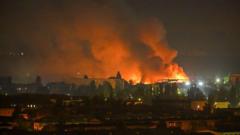
Reports suggest that Khamenei was killed during coordinated air and missile strikes targeting Iranian military and leadership compounds in Tehran. The attacks reportedly caused heavy casualties and major infrastructure damage.
The Iranian government has declared a period of national mourning, while military forces including the Islamic Revolutionary Guard Corps (IRGC) have vowed strong retaliation.
Mojtaba Khamenei Emerging as Leading Candidate
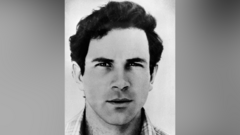
Mojtaba Khamenei, the second son of Ayatollah Ali Khamenei, is widely considered one of the strongest candidates to become Iran’s next Supreme Leader.
Born in 1969 in Mashhad, Mojtaba Khamenei is a Shia cleric who studied Islamic theology in the religious city of Qom. He is believed to have played an influential behind-the-scenes role in Iranian politics for many years.
He reportedly maintains close ties with Iran’s conservative religious establishment and the powerful Islamic Revolutionary Guard Corps (IRGC), which significantly increases his influence within the country’s power structure.
Political analysts say Mojtaba Khamenei has long been viewed as a possible successor to his father, although his rise to power could be controversial because critics fear it may resemble a hereditary transfer of leadership.
How Iran Chooses a Supreme Leader
Under Iran’s constitution, the Supreme Leader is selected by the Assembly of Experts, a powerful council of senior Islamic clerics.
The Assembly evaluates candidates based on religious knowledge, political leadership ability, and loyalty to the Islamic Republic.
Once selected, the Supreme Leader becomes the highest authority in Iran with control over:
- Armed forces and national security
- Foreign policy decisions
- Judiciary leadership
- State media
- Major government institutions
Other Possible Successors

Although Mojtaba Khamenei is widely discussed as a potential successor, several other senior clerics have also been mentioned.
- Hassan Khomeini – grandson of Ayatollah Ruhollah Khomeini
- Sadeq Larijani – former judiciary chief
- Mohsen Araki – senior religious scholar
Regional Tensions Rising
The reported death of Iran’s Supreme Leader comes during escalating conflict between Iran and Israel, with the United States also involved in military operations.
Iran has reportedly launched retaliatory missile and drone attacks against Israeli and U.S. targets across the Middle East, raising fears of a wider regional war.
International leaders and the United Nations have called for restraint amid growing concerns about global security and oil supply disruptions.
No Official Confirmation Yet
Despite widespread reports and speculation, Iran has not officially confirmed the appointment of Mojtaba Khamenei as the new Supreme Leader.
The final decision is expected to be announced only after formal approval by the Assembly of Experts.
Until then, Iran is expected to be governed by senior political and religious authorities during the transition period.
Key Points
- Ayatollah Ali Khamenei reportedly killed during U.S.–Israeli strikes
- Iran declares national mourning
- Mojtaba Khamenei seen as possible successor
- No official Supreme Leader announced yet
- Assembly of Experts will make final decision
- Middle East tensions increasing

Discover more from NewsNation Online
Subscribe to get the latest posts sent to your email.
आपके लिए सुझाव










































































Leave a Reply