With videogame budgets ballooning and competition ever intensifying there’s a huge amount riding on whether a modern videogame succeeds or fails. As such, publishers are increasingly turning to the safest bets possible, like sequels in proven series or shiny remakes of classic games.
It’s the exact strategy that Xbox has said it’s falling back on to increase its fortune—recommitting to its big names like Halo, Fallout, The Elder Scrolls etc. Admittedly, that strategy also includes laying off thousands of people and cutting ties with numerous game studios, which thus far has yielded Xbox’s worst quarter in years.
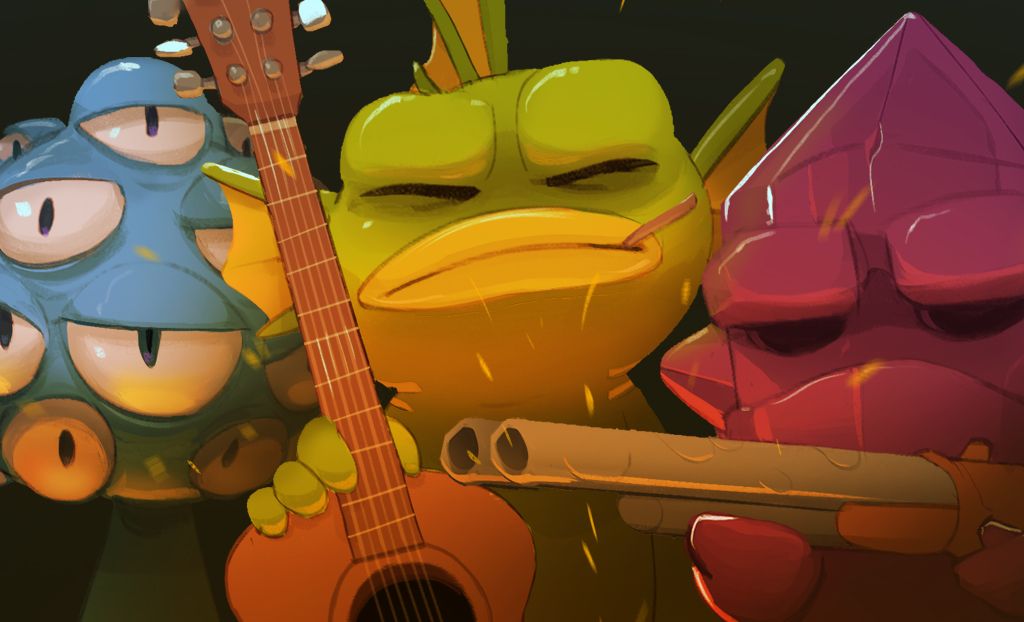
Indeed, rather than helping sustain the industry, this aversion to risk may be a source of its present struggles. As reported by GamesIndustry.biz, this was the conclusion of a workgroup run by Vlambeer cofounder and Nuclear Throne producer Rami Ismail at this year’s DevGAMM Madeira Games Summit.
Titled “We’re moving fast and losing what made us good (creativity, craft & the future)”, the workgroup brought together people from various corners of the games industry to discuss how to put creativity back at the heart of game dev (and game financing). It concluded that the industry’s general fear of failure is, ironically, one of the biggest inhibitors to success.
“Many of the more fearful reflexes of the industry aim to sand down the rough edges of creative work, creating homogenous and bland works that ‘check all the boxes’ but are nevertheless (or, consequently) insincere, uninspiring and uninterested,” Ismail explained. “Courage is a consistent factor of most hit titles; in funding, in publishing, in marketing, and in investment.”
The group pointed to several major success stories of recent years as examples of this, including Peak, Balatro, and Clair Obscur: Expedition 33. In each case, the success of the game was driven by the personal beliefs and tastes of the people making it, as opposed to chasing trends or market analysis.
One other interesting point the group arrived at was that avoiding fear-driven game development could also mean making the difficult decision to end a project, but doing this early rather than spending multiple years and millions of dollars chasing a fundamentally bad idea. This is something we saw in Sony’s ill-conceived live-service strategy, where the company has spent the best part of a generation chasing a whole raft of live-service titles, most of which have failed to emerge.
In summary, Ismail said that “The industry’s fear of risk is currently the largest risk it faces.” And there’s certainly some truth to the fact that the biggest hitters tend to be those we least expect. We’ve seen another example of this recently in Meccha Chameleon, a multiplayer hide-and-seek game which in June earned more money than every other game except Fortnite.
2026 games: All the upcoming games
Best PC games: Our all-time favorites
Free PC games: Freebie fest
Best FPS games: Finest gunplay
Best RPGs: Grand adventures
Best co-op games: Better together
</article>
<
p class=”mcp-source-attribution”>Source
Discover more from NewsNation Online
Subscribe to get the latest posts sent to your email.
आपके लिए सुझाव