
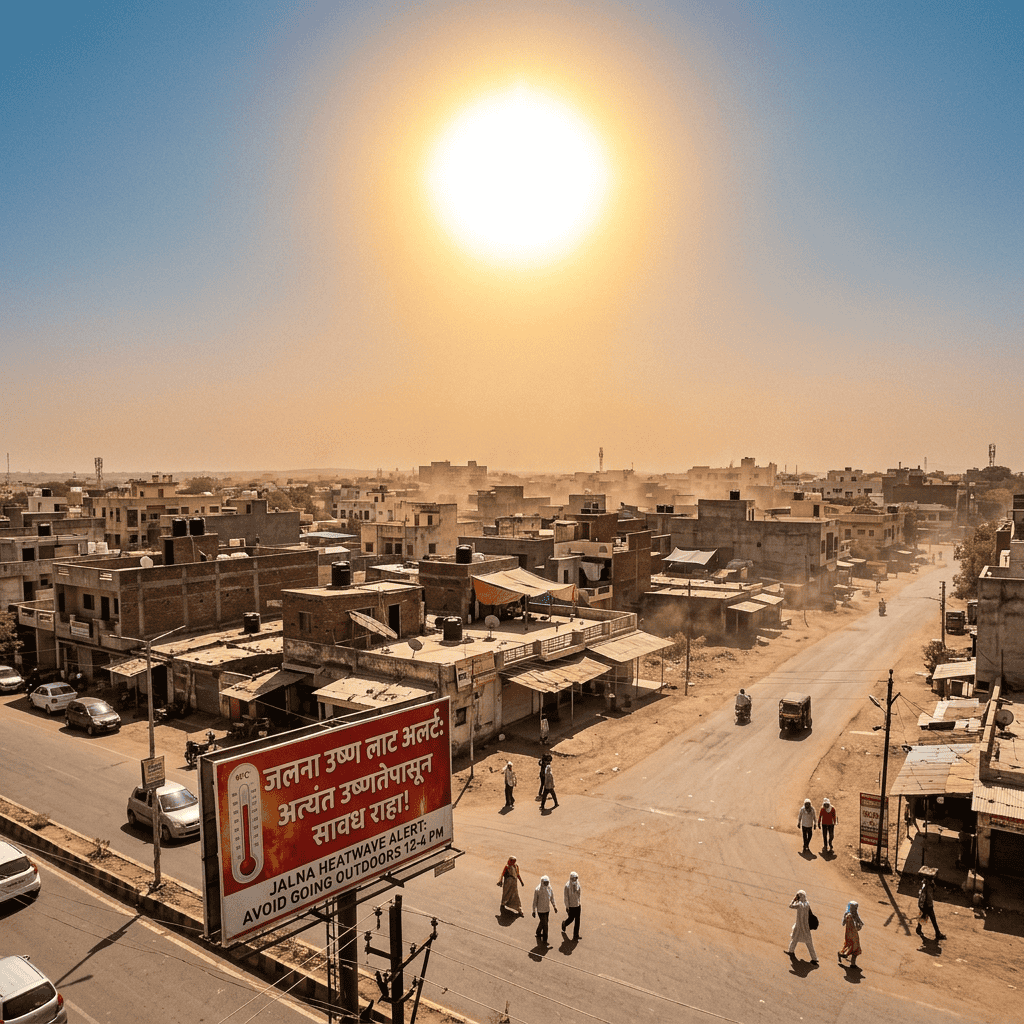
Environment | NewsNationOnline. Heatwaves and irregular water supplies can disrupt work, school and household routines. Planning ahead can reduce risk, especially for children, older adults and people who spend long hours outdoors.
Follow official weather alerts
Check the India Meteorological Department for local forecasts and heat warnings. Follow district administration and municipal advisories about water supply, schools and public services. Conditions differ by location, so use local guidance rather than relying only on national headlines.
Make a household heat plan
Identify a cooler indoor area and arrange access to safe drinking water. Where possible, shift strenuous outdoor work and errands to cooler hours. Rest in shade, wear suitable light clothing and check on family members or neighbours who may need assistance. Never leave children or pets inside a parked vehicle.
Recognise heat illness
Dizziness, weakness, headache and nausea can be warning signs of heat-related illness. Confusion, collapse, seizures or loss of consciousness require urgent medical attention. Move the person away from heat and begin cooling while arranging emergency help. Do not give drinks to a person who cannot swallow safely.
Store drinking water safely
Use clean, covered containers intended for food or drinking water. Keep drinking water separate from water reserved for cleaning. Follow local public-health instructions if contamination is suspected; clear-looking water is not necessarily safe. Clean containers regularly and avoid touching the inside of storage vessels.
Prepare for interrupted water supply
- Save local water-supply and emergency contact details.
- Monitor announced supply schedules and report visible leaks.
- Prioritise water for drinking, food preparation and essential hygiene.
- Keep an emergency reserve that your household can store hygienically.
- Plan extra support for infants, older people and those with special medical needs.
Check your plan before the next alert
Review whether everyone in the household knows where drinking water is stored, how to access official alerts and whom to call in an emergency. A short conversation and a few basic preparations can be more useful than waiting until a severe warning arrives.
Official reference: India Meteorological Department. This is general preparedness information; follow local medical and water-quality advisories.
Discover more from NewsNation Online
Subscribe to get the latest posts sent to your email.
आपके लिए सुझाव








Leave a Reply