

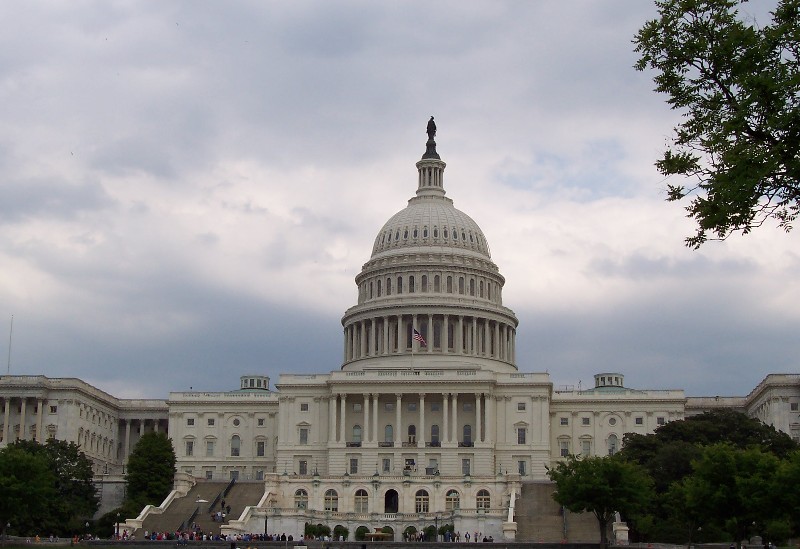
WASHINGTON, November 7, 2026: Democrats’ victory in both chambers of Congress has set up a new confrontation with President Donald Trump over the federal budget, borrowing limits and the cost of living. Although the president retains broad executive powers, lawmakers taking office in January 2027 will have important leverage over government spending and the nation’s debt ceiling.
The immediate concern is a December 11, 2026 deadline for a federal government funding agreement. A separate fight over the debt ceiling could intensify later in 2027, according to analysts cited by Reuters. Neither a shutdown nor a debt default is inevitable.
Why Democrats Have More Power After the Midterms
Control of the House and Senate will allow Democrats to set committee agendas, conduct oversight hearings and shape spending legislation. Incoming Democratic leaders have identified affordability, healthcare, tax policy and government accountability as priorities. The change does not give Congress unrestricted control over executive actions: Trump can still veto legislation, and overriding a veto requires two-thirds majorities in both chambers.
What Is the US Debt Ceiling?
The debt ceiling is a statutory limit on the amount the federal government can borrow to meet existing legal obligations. Raising or suspending it does not itself authorize new spending; rather, it allows the Treasury to finance commitments already approved under federal law. A prolonged failure to act when the Treasury exhausts available measures could disrupt payments and unsettle financial markets.
Reuters reported on November 5 that investors are watching the prospect of a 2027 borrowing-limit standoff. Analysts said the risk of an actual default remains low, but drawn-out negotiations could create market volatility and concern about US creditworthiness.
December 11 Funding Deadline Comes First
Before the new Congress is seated, the outgoing Republican-controlled Congress faces a December 11 deadline to reach an agreement on federal funding. A failure to pass the necessary spending measures could result in a government shutdown affecting some federal services. The debt ceiling is a different legal issue: a funding lapse and a debt default are not the same event.
How the Fight Could Affect Families and Businesses
Budget negotiations could affect federal programs, healthcare subsidies, housing incentives and agency funding. Democratic lawmakers may seek concessions on those issues, while Trump and Republicans could press for spending limits and other priorities. Prolonged uncertainty could also influence investor confidence and borrowing conditions.
For households, the bigger political question is whether Washington can address everyday costs. Voters have expressed concerns about inflation, energy prices, tariffs and healthcare expenses. Congressional control alone cannot immediately reverse those pressures, and any specific policy change would require legislative or executive action.
What Happens to Trump’s Tariffs and Immigration Policies?
Congress has strong authority over taxes and spending, but the president retains considerable discretion in trade enforcement, immigration administration and foreign policy. Democrats could use hearings, legislation and appropriations conditions to challenge the administration’s approach. Whether those efforts produce policy changes will depend on negotiations, legal constraints and the president’s response.
Three Developments to Watch in 2027
- Government funding: Whether lawmakers avoid a December shutdown and how future budgets are negotiated.
- Borrowing limit: When Treasury forecasts the need for congressional action and whether both parties reach an agreement before a payment crisis.
- Household costs: Whether healthcare, energy, tax and trade proposals translate into measurable relief for Americans.
The central uncertainty is not whether Washington will disagree, but whether the divided government can turn negotiations into durable agreements without disrupting federal services or financial markets.
Related NewsNationOnline coverage: Historic US midterm turnout; Why Republicans lost the midterms; Democrats and Trump’s immigration policies.
Sources: Reuters: Investors eye risk of debt-ceiling standoff (November 5); Reuters: Democrats gain leverage in economic debate (November 4); US Treasury: Debt limit information.
Also read:
➤ F-1 Visa, OPT and CPT Rules for 2027: What International Students Need to Know
➤ US Government Shutdown and Immigration: Will Visas, Green Cards and Work Permits Be Delayed?
➤ US Government Shutdown 2026: Will Social Security, Medicare and Passports Be Affected?
Read Next
 PRE-FORMANCE BLACK Pre-Workout Recalled Nationwide Over Hidden DMAA Stimulant: Check These Lot NumbersNov 28, 2026
 Super Bowl 2027: Date, Kickoff Time, TV Channel, Halftime Show and LocationNov 28, 2026
 Zero Motorcycles Recalls 2,371 Electric Dirt Bikes Over Cruise Control Crash RiskNov 28, 2026
 Tandem Mobi Insulin Pump Recall: FDA Reports 1,248 Serious Injuries Linked to False AlarmsNov 28, 2026
Most Read
- Raza Academy Founder Muhammad Saeed Noori Honoured at Kichhauchha Sharif for 50 Years of Service
- How to Apply for Indiramma Family Life Insurance Scheme Telangana
- Jalna Gets ₹15 Crore for Civic Works After Corporator Darshana Khotkar-Zol’s Follow-up
- Apple Ordered to Pay $5.7 Billion in US Patent Infringement Case
- अंबड में 100 बेड अस्पताल का लोकार्पण, पर 14 साल लड़ने वाले एमपीजे को न्योता तक नहीं; लोगों में नाराजगी
सीधे अपनी Facebook फ़ीड में पाएँ — News Nation Online पेज को Follow करें।
Discover more from NewsNation Online
Subscribe to get the latest posts sent to your email.
आपके लिए सुझाव


