

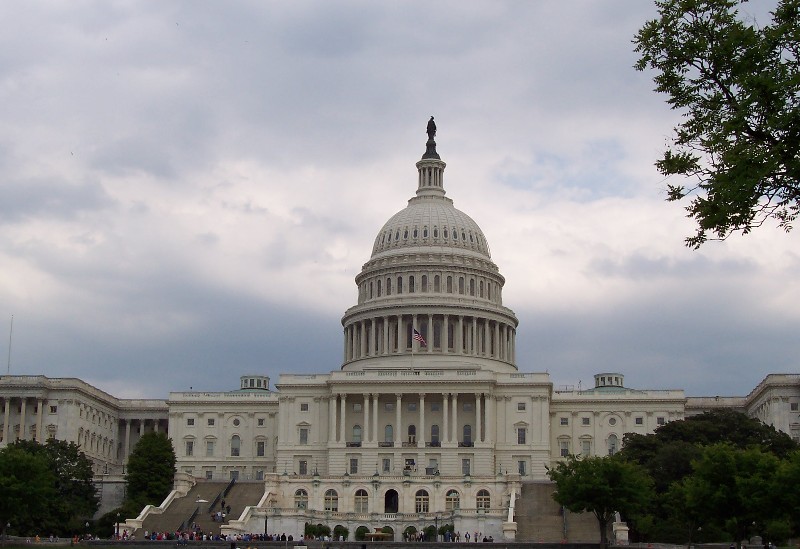
WASHINGTON, November 7, 2026: The 2026 US midterm elections brought exceptionally high voter participation, with preliminary estimates suggesting that nearly half of eligible Americans cast ballots. The turnout helped shape an election in which Democrats won control of both the House of Representatives and Senate, delivering a major setback to President Donald Trump’s Republican Party.
Nearly 49% of Eligible Voters Participated
Preliminary data from the University of Florida Election Lab put national turnout at about 49% of eligible voters, according to reporting by The Washington Post on November 7. That would make 2026 the second-highest midterm turnout in more than a century, behind only 2018. The estimate is provisional and could change as remaining ballots are counted and participation data are finalized.
The preliminary rate was around three percentage points higher than in the 2022 midterms, although it remained well below participation in the 2024 presidential election. Midterm elections normally attract fewer voters than presidential contests, making this level of participation especially notable.
Competitive Senate Races Helped Drive Turnout
Participation was particularly strong in states with closely watched Senate contests. Maine, Minnesota and Michigan were among the states reporting high engagement. Democrats won important Senate and gubernatorial races in these states, while also achieving notable victories in places traditionally more favorable to Republicans.
The unusually broad electoral map meant voters in many states saw contests with direct implications for control of Congress. Strong participation was not limited to traditional swing states.
Cost of Living and Iran War Shaped Voter Decisions
Reuters’ analysis of the election identified affordability and frustration over rising prices as central issues. The Iran war and its economic consequences also contributed to voter dissatisfaction. Exit polling suggested that concerns about the cost of living were widespread among voters.
President Trump remained a powerful motivating figure for both supporters and opponents. But the election results suggest that Republican efforts to mobilize their base were not enough to overcome a broader surge in support for Democratic candidates and participation by dissatisfied voters.
What the Results Mean for Washington
Democratic control of both chambers will reshape the balance of power when the new Congress convenes in January 2027. The party will gain control of congressional committees and stronger authority to investigate executive-branch decisions, while Trump retains the presidency and veto power.
For voters, the next test is whether the new political balance produces meaningful action on everyday concerns such as prices, federal spending and immigration. A large turnout is a measure of engagement, but it does not guarantee agreement between the parties or immediate changes in government policy.
Why This Election May Be Remembered
The scale of participation makes the 2026 midterms significant beyond the party results. Preliminary turnout figures indicate that Americans were unusually motivated to influence the direction of the country in an election without the presidency on the ballot. Analysts will continue examining how independent voters, younger Americans and other groups affected the outcome as more detailed data become available.
Read our related coverage: Democrats prepare an immigration showdown with Trump and why Republicans lost the 2026 midterms.
Sources: The Washington Post, November 7, 2026; Reuters election analysis, November 4, 2026; University of Florida Election Lab.
Discover more from NewsNation Online
Subscribe to get the latest posts sent to your email.
आपके लिए सुझाव









Leave a Reply