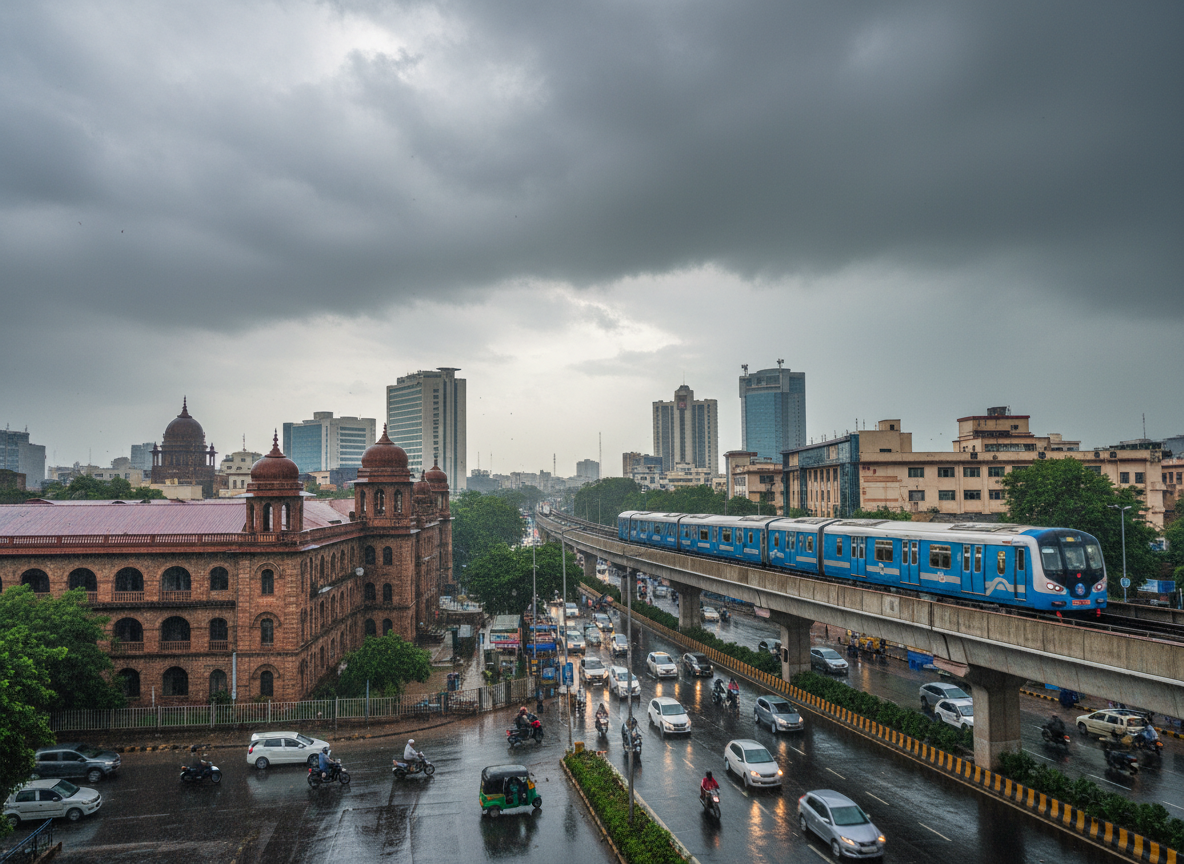

PUNE, October 2, 2026: Pune’s 2026 monsoon has highlighted the growing importance of looking beyond seasonal rainfall totals. Recent data show that the city received substantial rain during the season, but a large share was concentrated in a short period, followed by a prolonged reduction in rainfall activity.
A recent report citing IMD records said Pune’s Shivajinagar observatory recorded 736.2 mm between June 1 and September 30, with about 53% of the seasonal rainfall arriving during one week in July. Such concentration can create a complicated water-management picture: reservoirs may fill rapidly during intense spells, while dry periods later in the season increase demand on stored supplies.
The Bridge Chronicle reported the IMD-based figures and highlighted concerns about uneven rainfall and the post-monsoon water outlook.
Why rainfall distribution matters
Two seasons can record similar total rainfall while producing very different water outcomes. Rain that falls gradually can support steady infiltration and reservoir inflow, whereas very intense rainfall can produce rapid runoff and flooding. When heavy rainfall is concentrated into a few days, long dry spells can follow.
Pune’s water system depends on reservoirs, pipelines and distribution infrastructure. The amount available to the city at any point therefore depends on reservoir storage, evaporation, demand and system efficiency, not just rainfall measured at a single observatory.
What happens after monsoon withdrawal
As the southwest monsoon withdraws, regular rainfall becomes less frequent. The city then enters a period in which stored water becomes increasingly important. Demand can rise as temperatures increase, particularly during the warmer October and summer months.
This makes conservation useful even after a strong rainfall spell. Repairing leaks, maintaining building storage systems and avoiding unnecessary wastage can reduce the pressure on the public network.
Water cuts and official planning
Reports about possible water cuts should be interpreted carefully. A water-cut decision depends on official assessments of storage, demand and future supply conditions. A rainfall deficit at one point does not automatically mean every neighbourhood will face reduced supply.
Residents should rely on official announcements from civic authorities for local schedules. Social-media messages predicting a citywide water emergency without a government source should not be treated as confirmed information.
Impact on farmers
Farmers in Pune district face a different set of considerations. Soil moisture, crop stage, local rainfall and irrigation availability can vary considerably. A district-level rainfall number cannot replace local agricultural advice.
Where irrigation is available, farmers may plan according to crop water requirements. Where supplies are limited, water-efficient practices and appropriate crop decisions become more important.
Preparing for a warmer October
Weather forecasts indicate that Pune could see temperatures approaching 35°C in the coming days. Warmer conditions can increase water demand and evaporation. This makes efficient use of stored water important for households, businesses and institutions.
Schools, hospitals and housing societies can review water storage, pump systems and emergency arrangements before the hotter period progresses.
What Pune residents should watch
The key indicators in the coming months will be reservoir levels, official supply schedules, groundwater conditions, rainfall after monsoon withdrawal and changes in daily demand. Authorities may adjust management measures as conditions evolve.
Residents can follow the Pune district administration and official civic notices. NewsNationOnline’s Pune News section will continue covering weather and water developments.
Source note: Seasonal rainfall figures are based on reported IMD observations. Water-supply decisions should be based on official municipal announcements rather than rainfall totals alone.
आपके लिए सुझाव
