
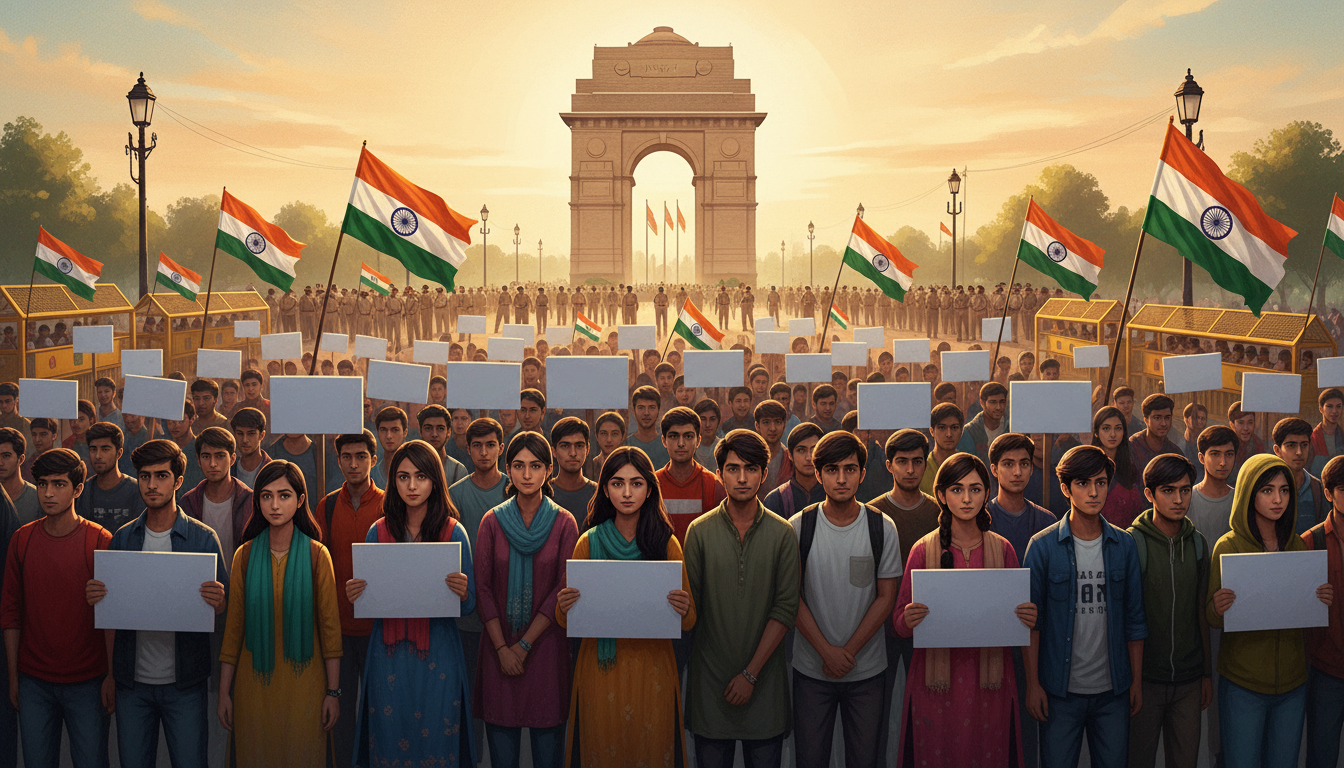
New Delhi, October 17, 2026: A wave of youth-led demonstrations has brought India’s electoral procedures, unemployment and education system into a shared national debate. Recent protests demanding the resignation of Chief Election Commissioner Gyanesh Kumar have drawn support from students, opposition leaders and campaigners who say their concerns extend far beyond voter lists.
Why are young people protesting?
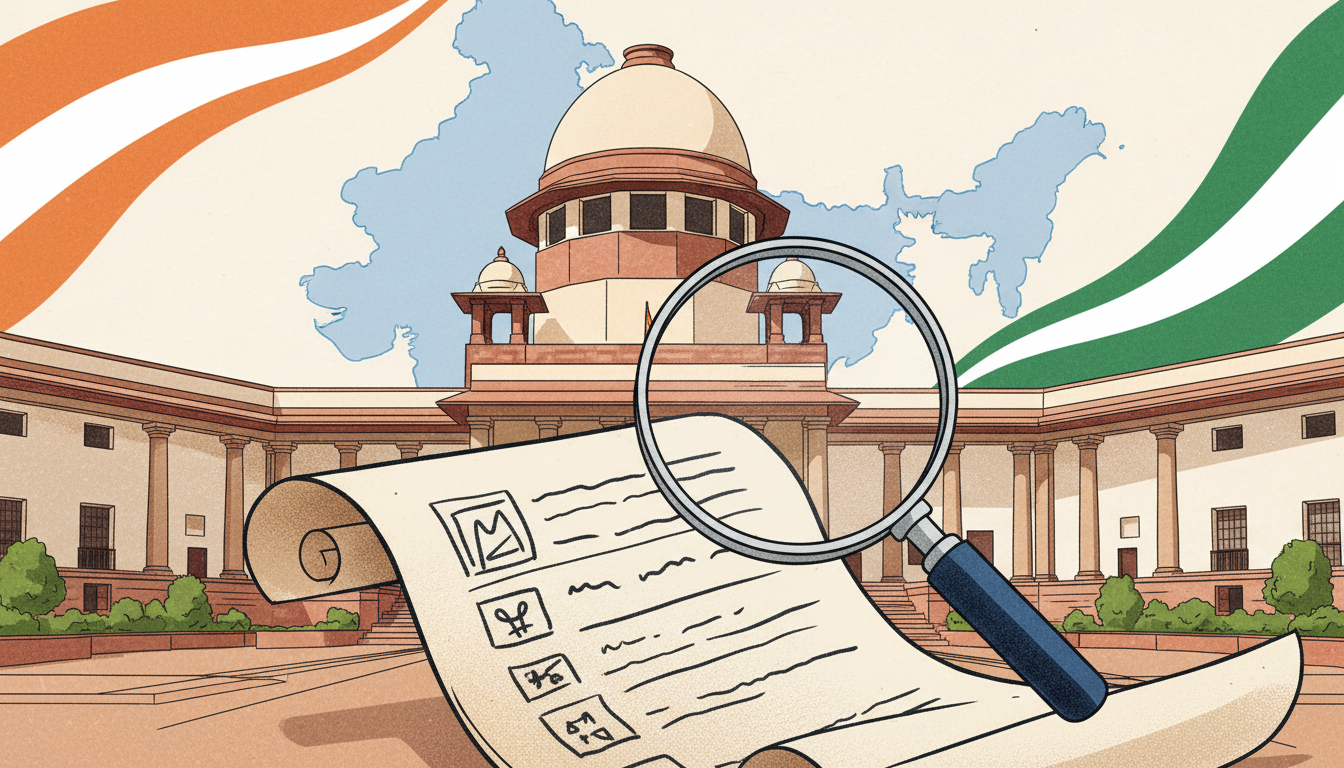
The immediate dispute centres on the Election Commission’s Special Intensive Revision of electoral rolls. Critics say the documentation requirements and large numbers of names removed from draft lists risk excluding eligible voters, especially people with limited access to records. The Election Commission says its procedures are intended to remove duplicate and ineligible entries while retaining legitimate voters. Allegations of partisan manipulation are contested and should not be reported as established fact.
Employment is a central grievance
Reuters reported that unemployment among Indians aged 15 to 29 stood at 9.9% in 2025, citing official data, while research from Azim Premji University showed particularly high joblessness among younger graduates. The distinction matters: the overall unemployment rate does not capture the pressures facing newly qualified job seekers. Young protesters also point to competitive examination leaks and the cost of preparing for jobs as reasons for their frustration.
Who is taking part?
The Cockroach Janta Party, a youth-led movement associated with Abhijeet Dipke, has become a visible participant in the demonstrations. Student organisations and the opposition Congress Party have also mobilised supporters. They do not necessarily share every political position, but they have converged around demands for electoral accountability and the right to protest.
Police response and civil liberties
Recent demonstrations have included police barricades, detentions and disputes over access to designated protest spaces in central Delhi. Authorities say restrictions are necessary for public order; activists argue that broad restrictions undermine peaceful dissent. Allegations about individual arrests or mistreatment require independent investigation and should not be treated as proven without evidence.
How has the government responded?
The BJP disputes accusations of electoral wrongdoing and argues that its election victories reflect public support and economic growth. Government representatives have cited employment creation over recent years. Protesters respond that aggregate growth figures do not adequately describe their experience of job scarcity, exam disruption and unequal opportunity.
What happens next?
The movement’s political impact remains uncertain. Analysts caution against assuming that demonstrations will automatically change election results. What is clear is that the issues being raised—access to voting, transparent recruitment and jobs—will remain important beyond the latest rallies.
For earlier reporting, see our coverage of the youth protest movement. Consult the Election Commission of India for official voter-roll information and MoSPI for labour-market statistics.
Sources: Reuters, October 16; ABC News, October 16.
Discover more from NewsNation Online
Subscribe to get the latest posts sent to your email.
आपके लिए सुझाव









Leave a Reply