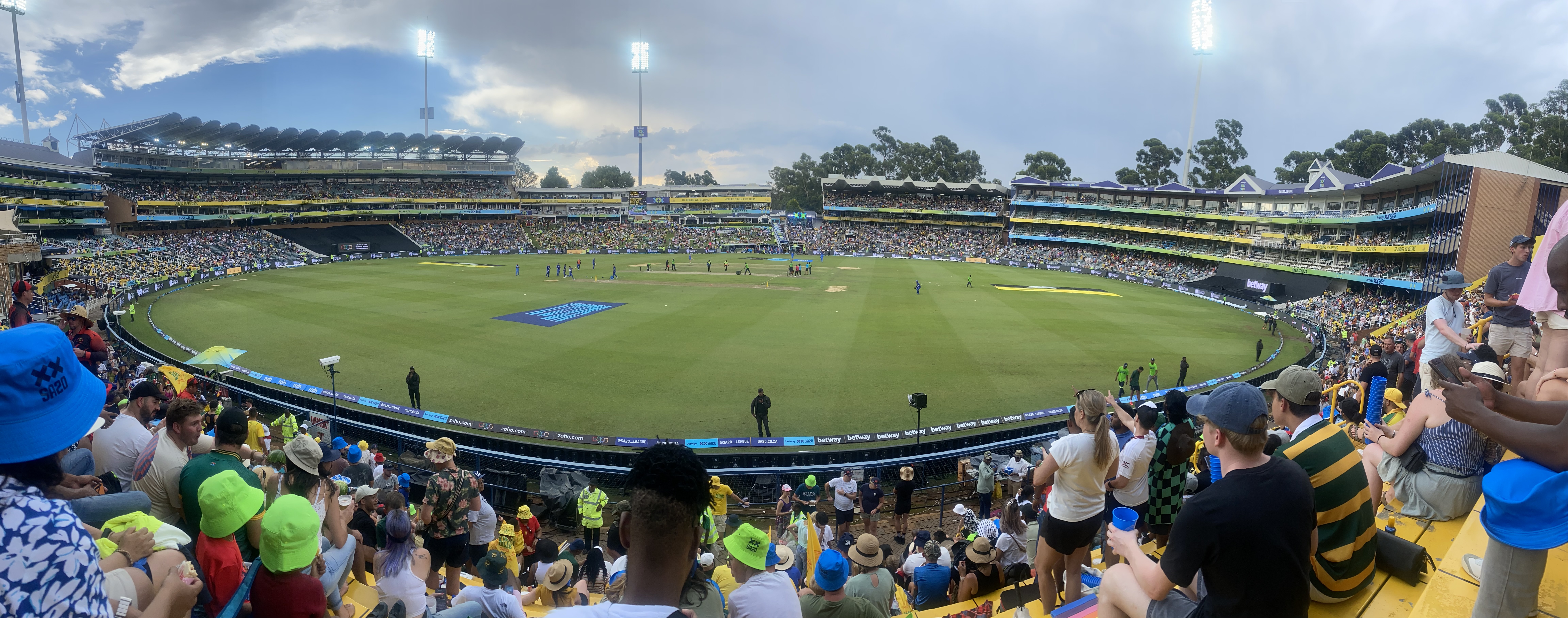
The ticket process for the ICC Men’s Cricket World Cup 2027 has moved into its next major phase, with the ICC opening a ticket ballot as it unveiled the full tournament schedule. For supporters, the announcement connects confirmed match dates and venues with the first formal route toward securing seats for the 57-match event in South Africa, Zimbabwe and Namibia.
The World Cup runs from October 2 to November 21, 2027. Fourteen teams take part, with major group fixtures including India-Australia in Cape Town on October 7 and India-Pakistan at the Wanderers in Johannesburg on October 10. England open against Bangladesh in Windhoek on October 8.
What is the World Cup 2027 ticket ballot?
A ticket ballot is not the same thing as simply arriving at an online store and buying any seat on demand. It is a mechanism used to manage demand and allocate opportunities to purchase tickets, particularly when interest may exceed available capacity. Fans should follow the instructions and deadlines published by the ICC rather than assume registration itself guarantees a ticket.
NewsNationOnline previously explained the distinction in our World Cup 2027 ticket ballot guide. With the schedule now confirmed, supporters can make more informed choices about which cities and matches fit their plans.
How much are tickets expected to cost?
According to the ICC’s knockout-venue announcement, ticket prices range from about US$9.62 (R158) at entry level to about US$31.31 (R514) for the highest-tier matches. The ICC has also referenced family bundles, student and pensioner pricing, early-bird local allocations and community club and school group pricing.
Prices and availability can vary by match and category, so supporters should check the official ticket platform for the specific fixture they want. Currency conversions can also change over time, making the organiser’s displayed checkout amount more reliable than a static conversion quoted months in advance.
Which matches could attract the most attention?
India-Pakistan at the Wanderers on October 10 is likely to generate substantial fan interest because of the scale of the rivalry, but supporters should avoid treating unofficial scarcity claims as fact. India-Australia at Newlands on October 7 is another major group match, while South Africa’s home fixtures, the semi-finals and the Johannesburg final are obvious focal points on the calendar.
England supporters have two early opportunities in Windhoek before the team moves into South Africa. England play Bangladesh on October 8 and Sri Lanka on October 13 in Namibia, followed by South Africa in Bloemfontein, Qualifier B in Durban and New Zealand in Gqeberha.
Know the tournament structure before choosing matches
The 2027 edition uses a new format. A three-team Super Series opens in Windhoek and decides the last group-stage entrant. Twelve teams then compete in two groups of six. Seven progress to the Super 7, and the top four from that league reach the semi-finals.
The ICC has pre-seeded several possible Super 7 schedule positions to give fans more certainty about potential venues. However, those positions do not guarantee that a named team will qualify. If a pre-seeded team is eliminated, another qualifying team takes its schedule slot. Fans buying travel around later-stage matches should understand that distinction.
Where are the semi-finals and final?
Cape Town hosts semi-final one on November 17 and Tshwane stages semi-final two on November 18. The final is at the Wanderers in Johannesburg on November 21. Reserve days have been assigned to the knockout matches.
Use official channels and be careful with resale claims
Fans should begin with the ICC’s official World Cup pages and authorised ticketing instructions. Unofficial social-media posts, private messages and third-party sellers can create unnecessary risk, particularly around high-demand fixtures. A screenshot or payment request is not proof that a seller controls a valid ticket.
Supporters travelling internationally should also separate match tickets from travel requirements. A ticket does not replace passport, visa, transit or entry rules. Those requirements depend on nationality, route and the countries being visited, and should be checked with official government sources closer to travel.
Plan by city, not only by team
The World Cup spans 12 venues: eight in South Africa, three in Zimbabwe and one in Namibia. Building an itinerary around one city or region may be more practical than attempting to follow every team movement. Johannesburg, Cape Town and Tshwane are particularly significant because they also stage the knockouts.
Fans interested in the competition pathway can read NewsNationOnline’s 14-team World Cup format explainer. The ICC’s official fixture page should be used for confirmed match information and subsequent updates.
What fans should do now
The schedule reveal gives supporters the information needed to prioritise matches, compare cities and understand possible later-round pathways. The sensible next step is to use the official ballot process, keep confirmation records, avoid unauthorised sellers and delay inflexible travel decisions until ticket status and relevant entry requirements are clear. With the World Cup returning to Africa after 24 years, demand will be spread across a tournament that combines established cricket centres with new destinations such as Windhoek and Victoria Falls.
आपके लिए सुझाव
