

Jalna: About 34,000 subordinate court employees in Maharashtra’s district and taluka courts went on an indefinite strike on Tuesday, 17 November 2026, bringing routine court work to a standstill across the state. Jalna, a district in Maharashtra’s Marathwada region, about 400 km east of Mumbai, was among the places where litigants faced major inconvenience.
Court buildings opened as usual, but the staff who move case files forward and record the next hearing date stayed away from work. A taluka is an administrative sub-division of a district.
Courts open, work stopped
According to information shared by advocate Mahesh Dhannawat, employees sat on a sit-in outside the City Civil Court in Mumbai and the Sessions Court in Jalna. More than 2,000 employees in Pune district, including those at the Shivajinagar District Court, did not report for work. At the Ghodegaon court in Pune district, a peaceful protest began at the main gate at 10 am and daily work stopped completely. From Sawantwadi to Dhule and from Satara to Nagpur, courts were open but proceedings were not.
Elderly farmers in long-running land disputes, women seeking maintenance and families of undertrials awaiting bail travelled to courts, losing a day’s wages, only to get neither a call for their case nor a new date. Lakhs of cases are already pending in the state’s courts, and because the strike is indefinite, the hardship is expected to continue.
Pay parity at the heart of the dispute
Employees say the fight is about dignity and equality, not just a raise. Staff of the Bombay High Court have had a revised pay scale since 2006, while employees of district and taluka courts remain on the old scale. For similar work, the pay gap is at least ₹8,000.
A committee of two High Court judges accepted that the nature of the work is the same and, on 31 January 2025, sent a proposal for a revised pay scale to the state government. Twenty-one months later, no decision has been taken. In many courts the required posts have not even been created, and while caseloads have grown, staff numbers have not.
Since 16 September, employees have worked wearing black armbands and held sit-ins and hunger strikes. With no Government Resolution (GR, an official government order) issued, they finally began the indefinite strike. Their unions are also demanding the old pension scheme, removal of stringent promotion conditions, and regular recruitment instead of contract hiring.
Questions raised over right to strike
Dhannawat’s note recalls that the Bombay High Court recently took suo motu notice of a doctors’ strike and observed that doctors cannot strike, and that the Supreme Court has held that lawyers have no right to strike. The question now being asked is whether a litigant’s access to justice is any less important than a patient’s life.
Subordinate court staff come under the administrative control of the High Court, which is also the body that sent the pay-parity proposal. This creates a dilemma between litigants’ right to speedy justice and an injustice to employees that the High Court itself has acknowledged. Demands are also being raised from the lawyers’ community that the Chief Minister approve the proposal quickly. Dhannawat also said that courts cannot function without these employees. All eyes are now on when the government order is issued from Mantralaya, the state secretariat, and what stand the High Court takes.
Appeal by Adv. Mahesh Dhannawat
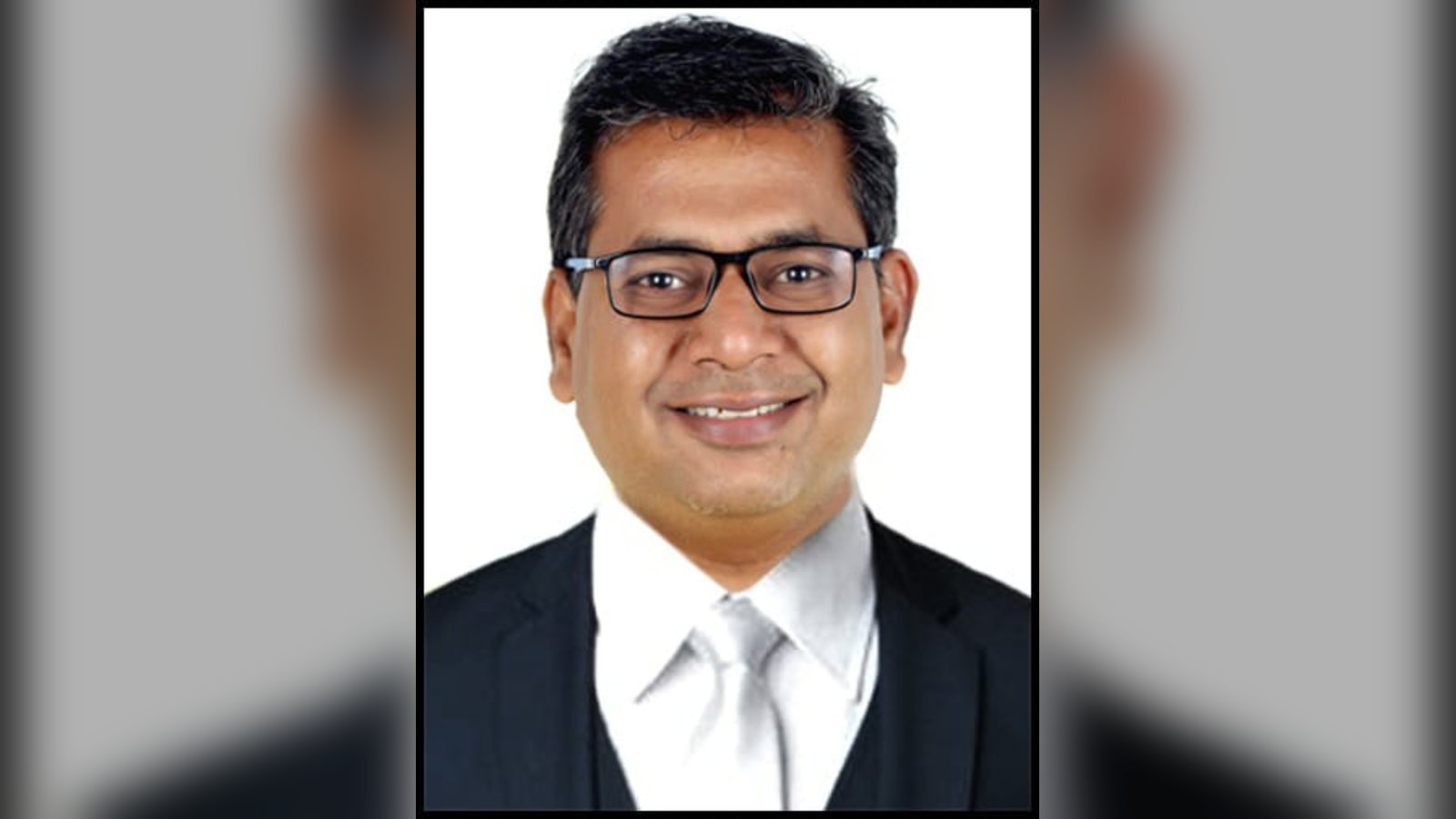
Adv. Mahesh Dhannawat, a senior lawyer and office-bearer of the Marathwada Litigants’ Association in Jalna, said: “The demands of court employees are just, and the injustice done to them must be removed. But it cannot be denied that this indefinite strike is causing great hardship to ordinary litigants. They already wait years for justice, and now they are not even getting dates. The Marathwada Litigants’ Association has always fought for litigants’ interests. The state government and the High Court should urgently find a solution to end the suffering of both the employees, who are the backbone of the judiciary, and the common people who come in hope of justice, so that work returns to normal and litigants get relief.”
Key points
- About 34,000 district and taluka court employees in Maharashtra on indefinite strike from 17 November 2026.
- High Court staff have had a revised pay scale since 2006; district court staff earn at least ₹8,000 less for similar work.
- A two-judge High Court committee sent a proposal to the state on 31 January 2025; no decision after 21 months.
- Other demands: old pension scheme, easier promotion rules, regular recruitment.
- Adv. Mahesh Dhannawat urged the government and High Court to resolve the issue urgently.
Frequently Asked Questions
Who is on strike?
About 34,000 subordinate court employees working in Maharashtra’s district and taluka courts.
Why are they striking?
They want a revised pay scale on par with High Court staff, the old pension scheme, easier promotion rules and regular recruitment. A pay proposal sent to the state on 31 January 2025 is still pending.
How long will the strike last?
The strike is indefinite and began on 17 November 2026; no end date has been announced.
Read this story in Hindi: राज्य के 34 हजार अदालती कर्मचारी बेमियादी हड़ताल पर, जालना में पक्षकार परेशान
सीधे अपनी Facebook फ़ीड में पाएँ — News Nation Online पेज को Follow करें।
Discover more from NewsNation Online
Subscribe to get the latest posts sent to your email.
आपके लिए सुझाव







Leave a Reply