
Massive Explosion at Iranian Port Linked to Missile Fuel Shipment Kills 25, Injures Hundreds
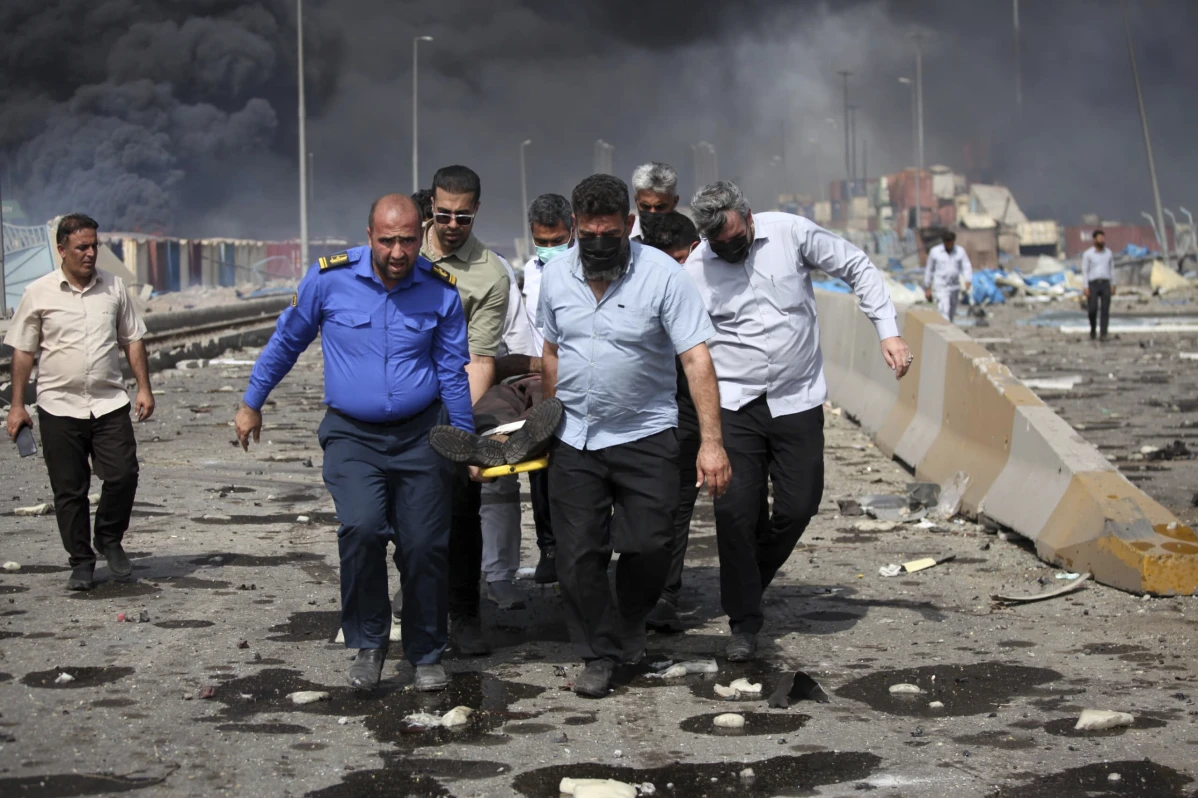
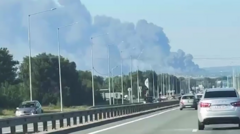
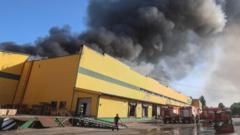
MUSCAT, Oman — A massive explosion and fire tore through the Shahid Rajaei Port in southern Iran on Saturday, killing 25 people and injuring nearly 800 others. The blast, reportedly linked to a shipment of chemicals used in missile propellant, sent shockwaves across the region and raised serious safety concerns.
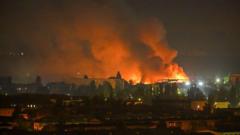
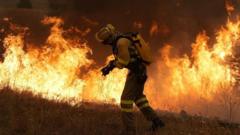
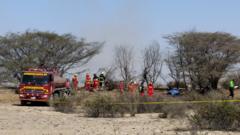
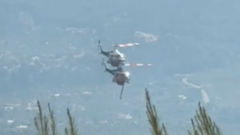
Helicopters and aircraft battled the inferno overnight, dumping water from above in a desperate attempt to control the flames. By Sunday morning, Iranian state television reported that the fire was under control and port activities had partially resumed, with footage showing cargo containers being unloaded.
Explosion Amid US-Iran Nuclear Talks
The explosion occurred just as Iranian and American negotiators met in Oman for a third round of talks over Tehran’s accelerating nuclear program. While Iranian officials have not suggested the incident was an attack, Foreign Minister Abbas Araghchi acknowledged that “security services are on high alert” given previous sabotage attempts.
State media confirmed the death toll and reported that only 10 victims, including two women, had been identified so far.
Fire Linked to Missile Fuel Shipment
According to the private security firm Ambrey, Shahid Rajaei port had received a missile fuel chemical shipment in March — a cargo of ammonium perchlorate from China intended for Iran’s ballistic missile program. The chemical, essential for making solid rocket propellant, was reportedly being stored improperly, leading to the devastating fire.
Associated Press analysis of shipping data corroborated the presence of vessels delivering such cargo earlier this year. However, Iran has not publicly acknowledged receiving the shipment, and its UN mission declined to comment.
Lessons Unlearned from Beirut?
The tragedy drew parallels to the 2020 Beirut port blast, caused by improperly stored ammonium nitrate, which killed over 200 people. Despite that devastating example, Iran appears to have kept hazardous materials at its port facilities, raising questions about negligence.
Footage from the Shahid Rajaei explosion showed reddish-colored smoke preceding the blast — a telltale sign of chemical combustion similar to what was witnessed in Beirut.
Scenes of Chaos and Destruction
Videos circulated on social media captured moments before the explosion, with bystanders frantically urging evacuation. “Get back! It’s going to blow up!” one man shouted moments before the massive detonation.
- Fires raged across multiple parts of the port.
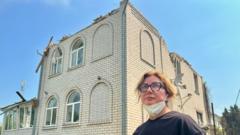
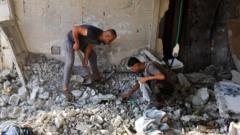
- Buildings kilometers away suffered blown-out windows and structural damage.
- Hospitals overflowed with casualties, and ambulances rushed back and forth throughout the night.
Officials closed schools and offices in Bandar Abbas on Sunday, warning residents of hazardous air pollution from leaked chemicals like ammonia, sulfur dioxide, and nitrogen dioxide.
Shahid Rajaei: A Target Once Again
The Shahid Rajaei port, a major hub for Iranian cargo, has faced attacks before. In 2020, a cyberattack blamed on Israel disrupted its operations, a retaliation linked to Iran’s alleged cyber operations against Israeli infrastructure. No Israeli comment was available regarding Saturday’s explosion.
Iran’s Interior Ministry has launched an investigation into the blast, and President Masoud Pezeshkian expressed condolences to the victims and their families.
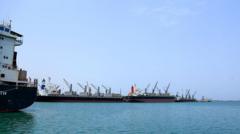
Located in Hormozgan province, Shahid Rajaei port sits strategically on the Strait of Hormuz, a critical global oil shipping lane through which roughly 20% of the world’s oil passes.


- जेद्दा टावर 113 मंजिल तक पहुंचा, 1 किलोमीटर ऊंचाई से टूटेगा बुर्ज खलीफा का रिकॉर्ड?
- तुकाराम मुंढे का बड़ा एक्शन: ISKCON और IRCTC वेंडर पर FDA की कार्रवाई, लाइसेंस सस्पेंड
- IIT Madras School Connect Admission 2026: 9वीं के छात्र भी पढ़ेंगे IIT से, AI-Data Science समेत 17 कोर्स
- Pomegranate Benefits: रोज अनार खाने से शरीर को मिलते हैं 6 बड़े फायदे, जानिए खाने का सही समय
- 220 किमी/घंटे वाले सुपर टायफून का दावा कितना सच? सौडेल को लेकर सामने आई बड़ी जानकारी
Discover more from NewsNation Online
Subscribe to get the latest posts sent to your email.
आपके लिए सुझाव


















































































Leave a Reply