

18 November 2026 | NewsNation Online

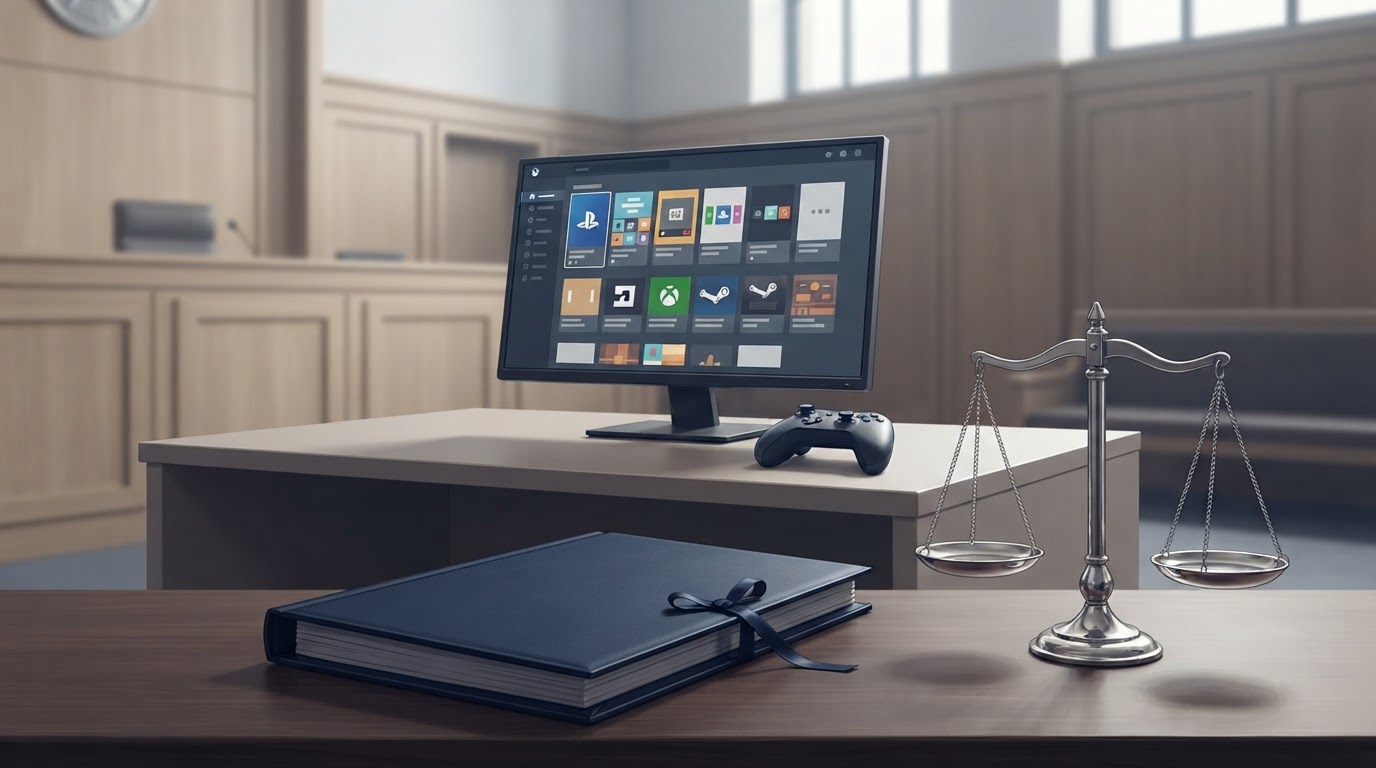
Sony has won a major UK competition-law case over the way digital games and add-on content are sold through the PlayStation Store. The Competition Appeal Tribunal dismissed the claim in its entirety on 17 November 2026, concluding that the class representative had not established that Sony infringed competition law.
The case was brought on behalf of approximately 12.2 million UK consumers who had purchased digital content on PlayStation consoles during the period covered by the proceedings. The claim was valued at almost £2 billion by the time of the ruling, making it one of the most closely watched consumer cases involving a major games platform.
What the claim alleged
The claimant argued that Sony’s control over the digital distribution of PlayStation games and add-on content restricted competition. The case focused on the PlayStation Store’s role as the digital marketplace for purchases made on PlayStation consoles, and alleged that the company’s contractual and technical arrangements prevented rival stores from competing for those sales.
The class representative also argued that consumers had paid excessive prices. Its case suggested that prices could have been around 20 per cent lower if competing digital distribution services had been able to enter the market. That figure was part of the claimant’s argument; it was not a finding accepted by the tribunal.
Why the tribunal rejected the case
The tribunal’s central concern was the way the claimant defined the relevant market. It rejected the proposed approach that treated digital PlayStation games and add-ons as separate markets without adequately accounting for other choices available to consumers. The judgment discussed physical game purchases, the ability to use more than one gaming platform and cross-platform features as potential constraints on pricing.
Instead, the tribunal considered a wider systems market when assessing whether Sony held a dominant position. It concluded that the class representative had not established dominance in the relevant market. The panel also said that, even if it had accepted the claimant’s proposed market definition, the evidence did not establish the exclusionary or exploitative abuses alleged in the case.
The full judgment, published under neutral citation [2026] CAT 86, records the tribunal’s reasoning after a 30-day trial held between March and May 2026. The ruling is a decision on the evidence and legal arguments in this specific case; it is not a general ruling that every digital storefront practice is beyond competition-law scrutiny.
What the decision means for PlayStation users
The immediate result is that the collective claim has been dismissed and no compensation has been awarded under these proceedings. The judgment itself does not order Sony to open the PlayStation Store to rival retailers or change its digital pricing structure.
Inven Global reported that the class representative was considering its options, including whether to seek permission to appeal. A further tribunal hearing was listed for the week beginning 14 December to deal with costs and any application for permission to appeal. Any such step would be separate from the 17 November judgment.
For players in India, the case does not directly change local PlayStation Store terms or prices. Its wider significance is for the global games business: digital storefronts are increasingly central to how consoles sell games, downloadable content and add-ons, and regulators are examining how platform control affects competition and consumer choice.
Sources and further reading
- UK Competition Appeal Tribunal: Alex Neill Class Representative Ltd v Sony, [2026] CAT 86 (17 November 2026)
- Reuters: Sony defeats £2 billion UK claim over PlayStation Store pricing (17 November 2026)
- Inven Global: Sony defeats £2bn UK PlayStation Store class action (17 November 2026)
सीधे अपनी Facebook फ़ीड में पाएँ — News Nation Online पेज को Follow करें।
Discover more from NewsNation Online
Subscribe to get the latest posts sent to your email.
आपके लिए सुझाव















Leave a Reply