

October 18 connects three important chapters of modern history: the formal transfer of Alaska, a pioneering investigation of Venus and landmark legislation to protect waterways. Each event illustrates a different relationship between political authority, scientific evidence and public responsibility.
What happened and why it matters
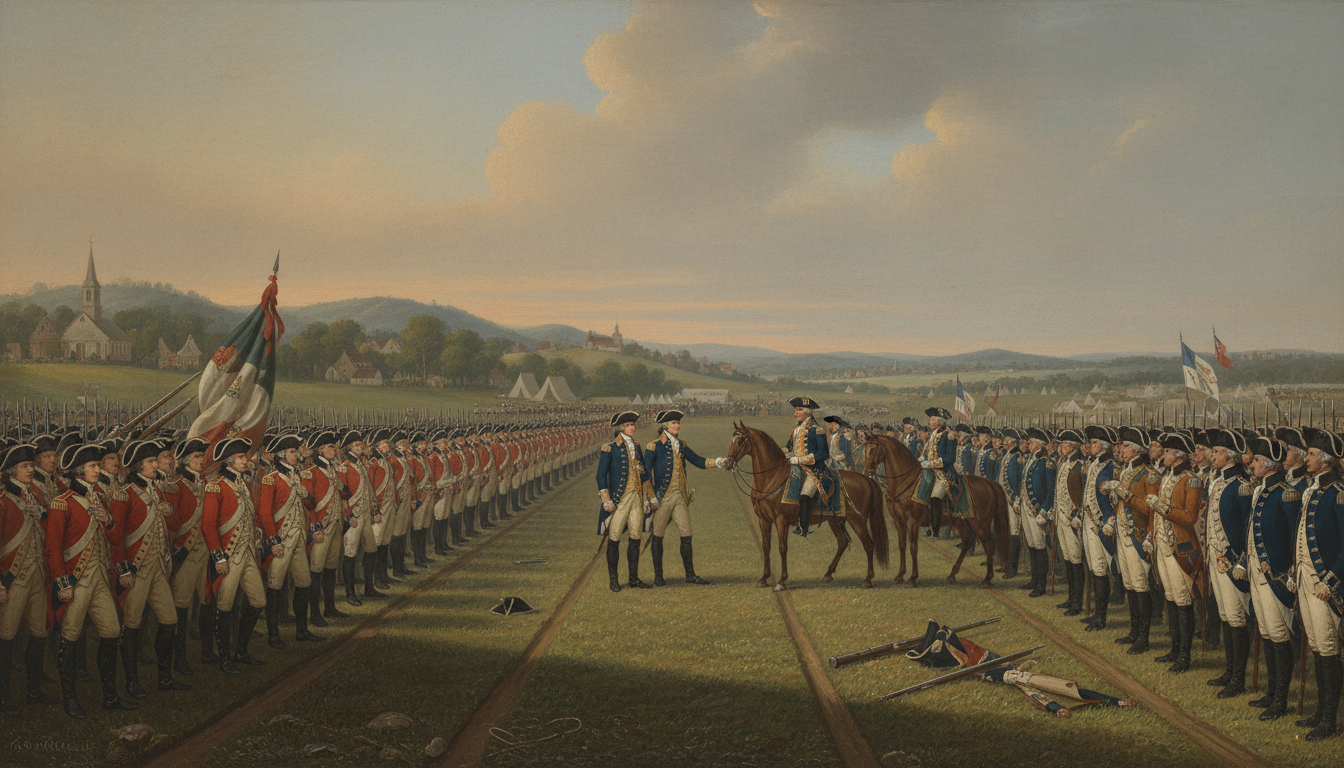
On October 18, 1867, representatives of Russia and the United States completed the formal transfer of Alaska at Sitka. The purchase agreement had been negotiated earlier that year for $7.2 million, with American Secretary of State William H. Seward closely associated with the transaction.
Long-term significance
The acquisition was controversial in its time. Some questioned the value of a distant and cold territory, while supporters saw strategic and commercial possibilities. Alaska later became important for natural resources and national security, but these later outcomes should not obscure the uncertainty surrounding the original decision.
Historical context
The transfer also affected Alaska Native peoples, whose communities and cultures long preceded the claims of either government. A diplomatic agreement between states did not mean that Indigenous residents had negotiated its terms. Their experiences are essential to a balanced account of the event.
What happened and why it matters
On October 18, 1967, the Soviet Venera 4 mission released an instrumented capsule into the atmosphere of Venus. The capsule transmitted measurements of temperature, pressure and atmospheric conditions during its parachute-assisted descent, giving researchers valuable direct observations.
Long-term significance
NASA records indicate that the probe transmitted for approximately 93 minutes before falling silent above the surface. Early Soviet accounts suggested a successful landing, but later analysis established that the extreme heat and pressure had ended the transmission before touchdown.
Historical context
The American Mariner 5 mission explored Venus during the same period. Scientists from both countries later compared their findings despite Cold War competition. The episode shows how scientific conclusions become stronger through measurements, scrutiny and international exchange.
What happened and why it matters
October 18, 1972, also marks the enactment of sweeping amendments to the United States Federal Water Pollution Control Act, commonly known as the Clean Water Act. Years of concern about contaminated rivers and industrial pollution helped build support for a stronger regulatory framework.
Long-term significance
According to the Environmental Protection Agency, the law established a structure for regulating pollutant discharges, setting water-quality standards and requiring permits for many point-source releases. It also supported investments in wastewater treatment. The legislation did not instantly eliminate pollution, and effective enforcement remained necessary.
Historical context
These anniversaries remind us that historical progress is rarely simple. Territorial treaties can reshape communities, scientific announcements may require revision and environmental laws need sustained implementation. For further reading consult the US National Archives, NASA and EPA. See October 17 in History.
Discover more from NewsNation Online
Subscribe to get the latest posts sent to your email.
आपके लिए सुझाव













Leave a Reply