
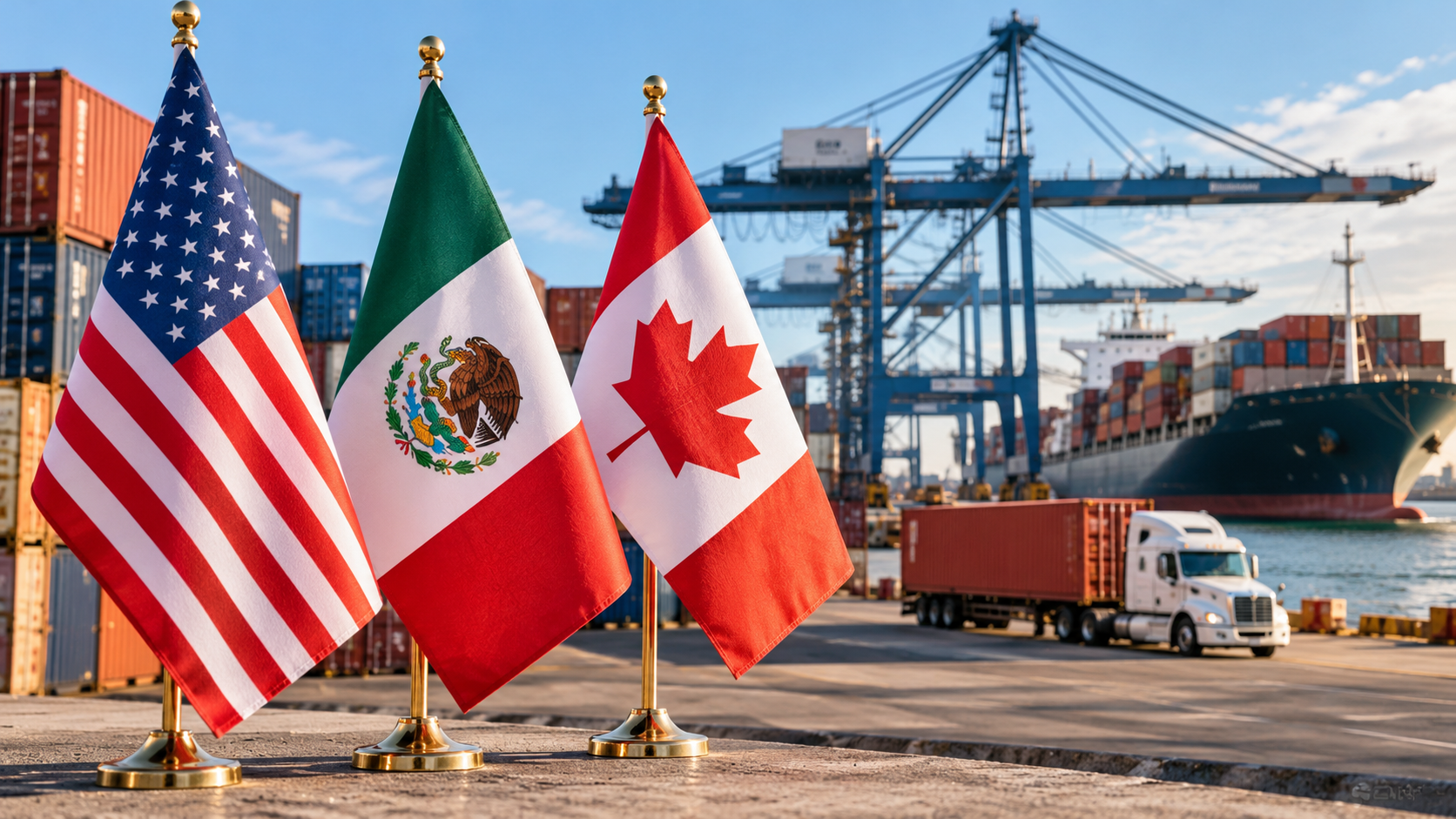
NewsNationOnline | North America Desk | October 21, 2026. The lawsuit filed by Gellert Global Group challenges the use of Section 338 of the 1930 Tariff Act to impose tariffs on Canadian imports. The legal dispute is about more than one importer’s costs: it tests how far a president can go in setting trade barriers without fresh congressional approval. Canada’s retaliatory measures have already widened the economic stakes. Importers, distributors and consumers may face higher costs as companies decide whether to absorb the duties, renegotiate contracts or pass expenses along. A court challenge does not itself suspend the tariffs; businesses must follow the applicable rules unless an effective order changes them.
Why this matters
Why it matters: North America’s economies are tightly linked through investment, production, migration and consumer markets. A change in one country can affect decisions elsewhere, although the scale and timing of any impact depend on the details. Readers should distinguish confirmed policy, reported negotiations and longer-term projections.
What happens next
What readers should watch: official government announcements, regulatory texts, court decisions where relevant, and updated data. Early headlines can describe intentions rather than rules that have actually taken effect. Businesses and households should check the latest primary-source guidance before acting.
The bigger picture
The wider context: trade, technology, employment and energy decisions often create both opportunities and costs. Policymakers must balance economic growth with affordability, security and predictable rules. This explainer provides context rather than personal legal, immigration or financial advice.
Source and further reading: Read the original report or official guidance. Explore more coverage on NewsNationOnline.
Related North America coverage: Canada–US economic outlook | USMCA explained.
Legal context: The October 20 lawsuit brought by food importer Gellert Global Group challenges the legal basis for tariffs on Canadian imports. Filing a lawsuit does not itself suspend a tariff or establish that it is unlawful. Importers need to distinguish the administration’s stated rationale, the statute invoked and the relief requested from any eventual court ruling. The practical consequences may include customs costs, sourcing changes and uncertainty over contracts, but effects vary by product and importer. Reuters reported the filing.
What a tariff challenge means: A lawsuit can test whether an administration acted within the authority granted by Congress and followed applicable procedures. The complaint sets out allegations; a court’s decision determines whether they succeed. Importers may seek relief, but companies should not assume duties are suspended merely because a case was filed.
How importers are affected: Tariffs can raise the landed cost of goods, change purchasing decisions and complicate contracts negotiated before a policy change. The final effect on consumers depends on competition, margins, substitute suppliers and currency movements. Food businesses also face perishability and supply-chain constraints.
What to monitor: Readers should look for court orders, customs instructions, the exact product categories covered and the effective dates of any changes. The US Customs and Border Protection trade portal provides operational guidance. Legal filings and official tariff schedules are more definitive than commentary about possible outcomes.
Discover more from NewsNation Online
Subscribe to get the latest posts sent to your email.
आपके लिए सुझाव






Leave a Reply