

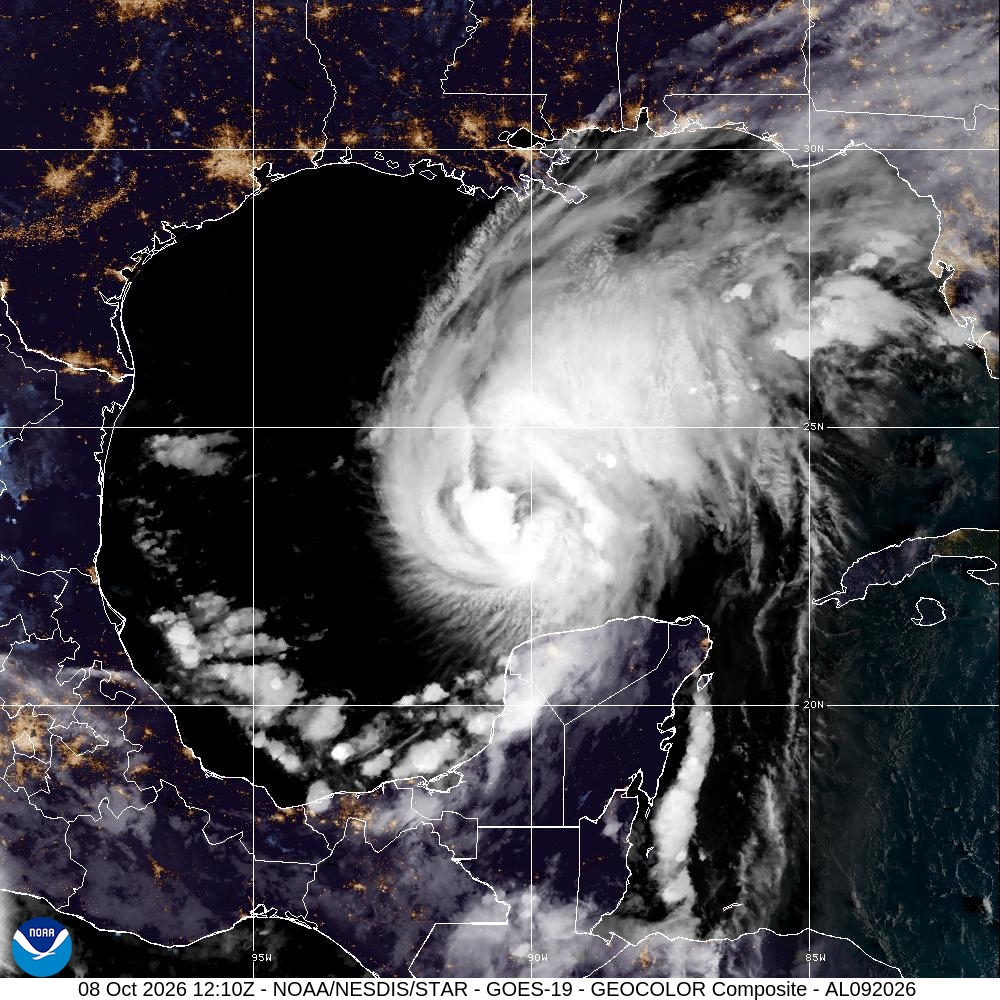
Landfall and immediate impact
Hurricane Isaias made landfall near Destin, Florida, early on Saturday, October 10, as a Category 2 hurricane, according to Reuters. The storm subsequently weakened, but its damaging winds and heavy rainfall affected several southeastern states. Reuters reported four deaths and approximately 670,000 customers without electricity across Florida, Alabama, Georgia and Mississippi as of midday Saturday. Those figures describe conditions at a particular reporting time and should not be presented as a current live outage count. Officials continued assessing damage after the storm moved inland. The full economic cost and final casualty toll can change as emergency teams complete their work.Where power failures were concentrated
The initial outage estimates showed about 420,000 customers without electricity in Florida, 190,000 in Alabama, 43,000 in Georgia and 17,000 in Mississippi, Reuters reported. Power failures after a hurricane can result from falling trees, damaged poles, broken transmission lines and flooded equipment. Utility restoration typically proceeds in stages, beginning with critical infrastructure and the largest affected networks where crews can work safely. Customers may see electricity return at different times even within the same neighborhood. These numbers should be interpreted as customers or service accounts, not necessarily individual residents. People seeking the latest status should consult their utility provider’s outage map and local emergency alerts.Fatalities and continuing hazards
At least four deaths were reported in the aftermath of the storm, including two attributed to trees falling on homes, according to Reuters. Even after hurricane-force winds diminish, damaged buildings, unstable trees, downed electrical wires and flooded roads can remain dangerous. Emergency officials commonly warn residents not to drive through standing water because road surfaces may be damaged and water depth is difficult to judge. Residents should also avoid approaching fallen utility lines. The precise circumstances of individual fatalities require confirmation from local authorities, and early casualty reports can be revised. The emphasis during recovery remains on preventing additional injuries while rescue and repair operations continue.Flooding and tornado threats
The National Hurricane Center warned of storm surge, flash flooding, damaging winds and tornado risks as Isaias moved through the region, Reuters reported. A hurricane’s hazards can extend well beyond the point where its center reaches land. Heavy rainfall can overwhelm drainage systems, while strong winds can damage structures and vegetation over a wide area. Tornadoes may form in outer rain bands, creating localized destruction far from the coast. The risk can persist after a storm loses its hurricane classification. Residents should follow updated forecasts from the National Weather Service rather than assuming that weakening wind speeds mean all hazards have ended.Florida’s emergency response
Florida officials prioritized damage assessment and electricity restoration after landfall. Governor Ron DeSantis said crews would evaluate the scale of the damage to determine how quickly power could be restored, according to Reuters. Approximately 16,000 utility line workers had prepared to respond. Restoring power requires coordination among utilities, transportation agencies and local emergency managers because debris or flooded roads may prevent crews from reaching damaged equipment. Early reports that some roads and facilities were reopening did not mean conditions were normal everywhere. Local officials remained responsible for issuing location-specific guidance about access, shelters and essential services.Disruption in Alabama and neighboring states
The storm also created serious transportation problems in Alabama. Reuters reported that authorities in Houston County announced road closures because of fallen trees, power lines and flash-flood concerns. Such restrictions can delay routine travel but may be necessary to protect motorists and allow emergency workers to operate. Communities in Georgia and Mississippi also experienced outages, demonstrating that the effects were not limited to Florida’s coastline. Conditions can differ significantly from one county to another. Residents planning journeys should check official transportation notices and avoid relying on photographs or social media posts that may describe another location or an earlier stage of the storm.Water and airport problems in Pensacola
Pensacola faced difficulties with drinking-water availability and damage to its airport, Reuters reported. Interruptions to water systems can arise from power failures, damaged infrastructure or operational problems after severe weather. Residents should rely on official utility notices for any boil-water advisory or distribution arrangements; such measures should not be assumed without confirmation. Airport closures and cancellations can also affect travelers after the worst weather has passed because terminals, runways and supporting infrastructure require inspection. Airlines and airports may revise schedules as assessments proceed. Passengers should verify flight status directly before leaving for the airport.Effects on Gulf energy production
Isaias disrupted offshore oil and natural gas operations in the Gulf of Mexico. Reuters reported that around 69 percent of oil output and 57 percent of natural gas production remained shut on Saturday, while some operators began returning personnel to platforms. Offshore facilities may suspend activity ahead of a storm to protect workers and equipment. Restarting production involves inspections and safety checks, so operations do not necessarily resume immediately after the weather improves. The disruption raised wider concerns about energy supplies. However, a temporary production shutdown should not automatically be equated with a lasting shortage or a specific increase in retail fuel prices.Federal action and emergency resources
Emergency declarations were approved for Florida and Alabama to support the response, according to Reuters. The US Energy Department also authorized an emergency exchange of up to four million barrels of crude oil from the Strategic Petroleum Reserve in response to supply disruptions. Such measures are intended to support emergency operations or stabilize logistical pressures, but the ultimate impact depends on implementation and the duration of the disruption. Federal assistance works alongside state, local and utility efforts. Residents seeking individual aid should consult official government announcements rather than assume that every emergency declaration automatically creates the same benefits for every household.What residents should do during recovery
Recovery from a hurricane is often uneven. People in some neighborhoods may regain electricity quickly while others face longer repairs, especially where equipment is heavily damaged. Households should follow local emergency alerts, avoid flooded roads and treat fallen wires as dangerous. Portable generators should never be operated indoors or near windows because of carbon monoxide risks. Residents should also document property damage when safe and contact insurers or official assistance programs through verified channels. Scams can emerge after disasters, so unsolicited requests for payment or personal information deserve caution. Updated local guidance is more useful than an old regional headline when making immediate safety decisions.What the figures mean
The reported four deaths and 670,000 outages provide a snapshot of the storm’s initial consequences, not a complete final accounting. Utility restoration, additional damage surveys and later medical findings can change the picture. NewsNationOnline will distinguish confirmed historical figures from live conditions and will avoid treating early estimates as permanent totals. The storm also illustrates how hurricane impacts extend beyond coastal wind damage to transport, water supplies and energy infrastructure. The immediate priority for affected communities is safety and access to essential services, followed by repairs and a careful assessment of longer-term losses.Sources and related coverage
Reuters: Isaias landfall and damage report | National Hurricane Center | Ready.gov hurricane safety guidance. Related NewsNationOnline coverage: US financial developments and Infrastructure and electricity demand.Also read:
➤ When Will Cyclone Aquan Hit Chennai? Landfall, Rain Alerts
➤ Hurricane Isaias Leaves Power Outages Across Southern US States
➤ Kamala Harris Calls for Urgent AI Safeguards and US-China Cooperation
जालना, महाराष्ट्र और देश-दुनिया की ताज़ा खबरें
सीधे अपनी Facebook फ़ीड में पाएँ — News Nation Online पेज को Follow करें।
👍 Facebook पर Follow करेंसीधे अपनी Facebook फ़ीड में पाएँ — News Nation Online पेज को Follow करें।
Discover more from NewsNation Online
Subscribe to get the latest posts sent to your email.
Never miss a storyFollow News Nation Online on WhatsApp for breaking news from India and the world.
आपके लिए सुझाव


