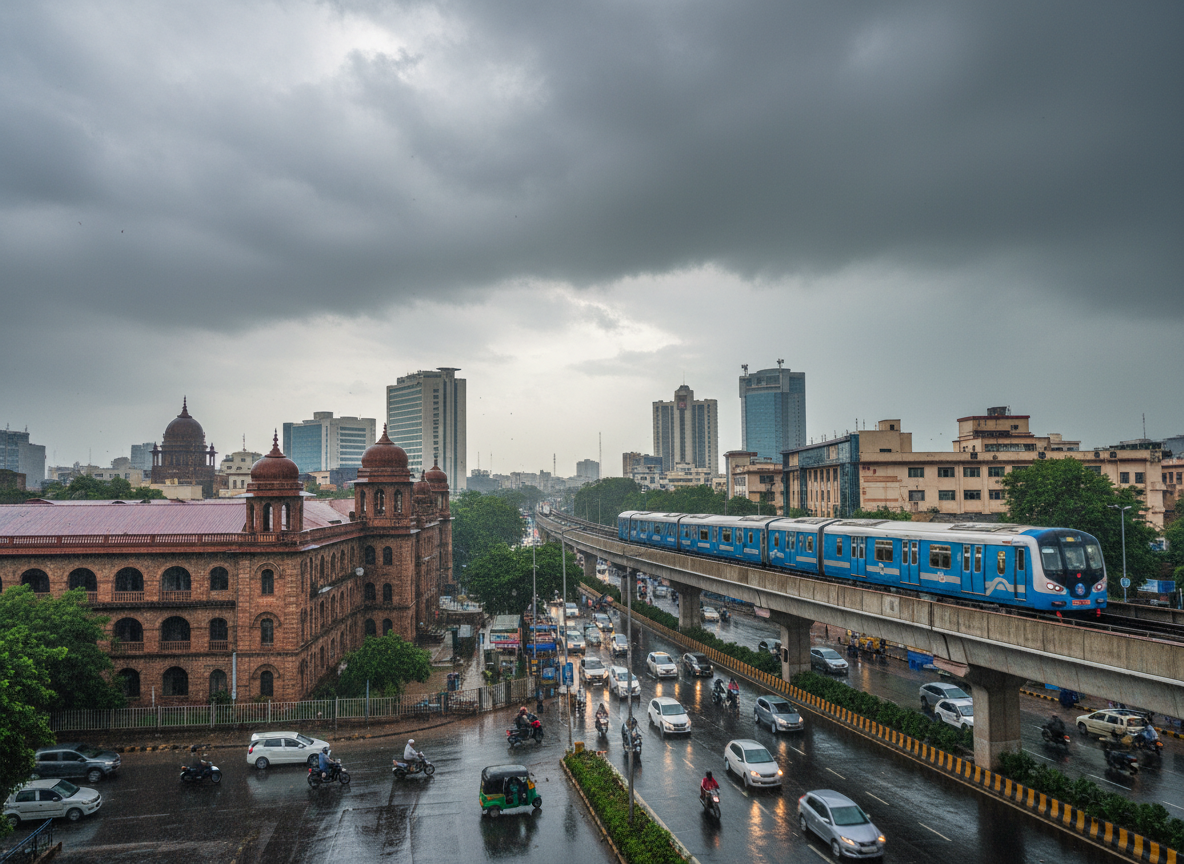

PUNE, October 2, 2026: The Commissioner of Metro Rail Safety has cleared five additional stations on the Hinjewadi–Shivajinagar Metro corridor, marking another step in the expansion of Pune’s urban rail network. The clearance is relevant to commuters because the corridor is designed to connect major employment, residential and education areas across western and central Pune.
Recent Pune coverage reported the clearance as part of the continuing progress of the corridor. Safety clearance is an important stage before passenger operations because metro infrastructure must meet specified technical and safety requirements.
Why the Hinjewadi–Shivajinagar corridor matters
Hinjewadi is one of Pune’s major employment clusters, while Shivajinagar is a central transport and commercial hub. Road travel between the two areas can be affected by heavy traffic during peak hours. A direct rapid-transit connection can provide another travel option for people who currently depend on cars, buses, two-wheelers or multiple modes.
The corridor’s impact will depend on station access, service frequency, interchange arrangements and last-mile connectivity. A metro station is most useful when commuters can reach it safely and conveniently from surrounding neighbourhoods.
What safety clearance means
Metro Rail Safety clearance indicates that the relevant safety authority has examined specified parts of the railway system against regulatory requirements. It does not mean that every future operational issue has disappeared. Operators still have to follow procedures for signalling, maintenance, emergency response and passenger safety.
Before services begin, authorities may also need to complete operational preparations, staff training and coordination with local traffic and emergency agencies.
Benefits for daily commuters
For commuters, the biggest potential benefit is predictable travel time. Road journeys can vary significantly with traffic, weather and road works. Rail systems operate on fixed routes and schedules, which can make daily planning easier.
Metro connectivity can also reduce pressure on major roads when passengers shift from private vehicles to public transport. However, the extent of any traffic reduction depends on ridership and the availability of convenient alternatives.
Last-mile connectivity remains important
Many Pune residents live or work several kilometres from a metro station. Buses, shared mobility, walking and cycling therefore remain essential parts of the transport system. Safe footpaths and crossings around stations can make a substantial difference to accessibility.
Parking management is another consideration. If large numbers of two-wheelers and cars are parked around stations without planning, local congestion can shift from one location to another.
What commuters should watch
The next milestones include final operational preparations, station readiness, trial operations where required and an official announcement regarding passenger services. Commuters should rely on official metro announcements for opening dates and fares rather than social-media speculation.
NewsNationOnline’s Pune News section will track metro developments. Readers can also check the Pune Metro official website for service information.
Pune’s wider transport transition
Pune is expanding multiple transport options while also working on roads and junctions. The metro network, road projects, buses and non-motorised transport infrastructure will need to function together. Better integration can help commuters choose the most suitable mode for each journey.
Source note: The additional-station clearance is based on current Pune reporting. Passenger-service dates and operational details should be confirmed through official Pune Metro announcements.
आपके लिए सुझाव
