
USA News | Updated October 10, 2026. This report separates reported developments from unresolved questions and explains why they matter.
Conflict becomes a campaign issue
The continuing conflict involving the United States and Iran is influencing debate ahead of the November 3 congressional elections. Candidates face questions about the military campaign, its cost, US foreign policy and the effects of energy-market disruptions on households.
What polling indicates
An AP-NORC poll cited by the Associated Press found that 69% of Americans believed the war had not been worth fighting. Polling reflects views of the surveyed population at a particular time; it does not by itself predict how individual congressional races will be decided.
Fuel prices and household concerns
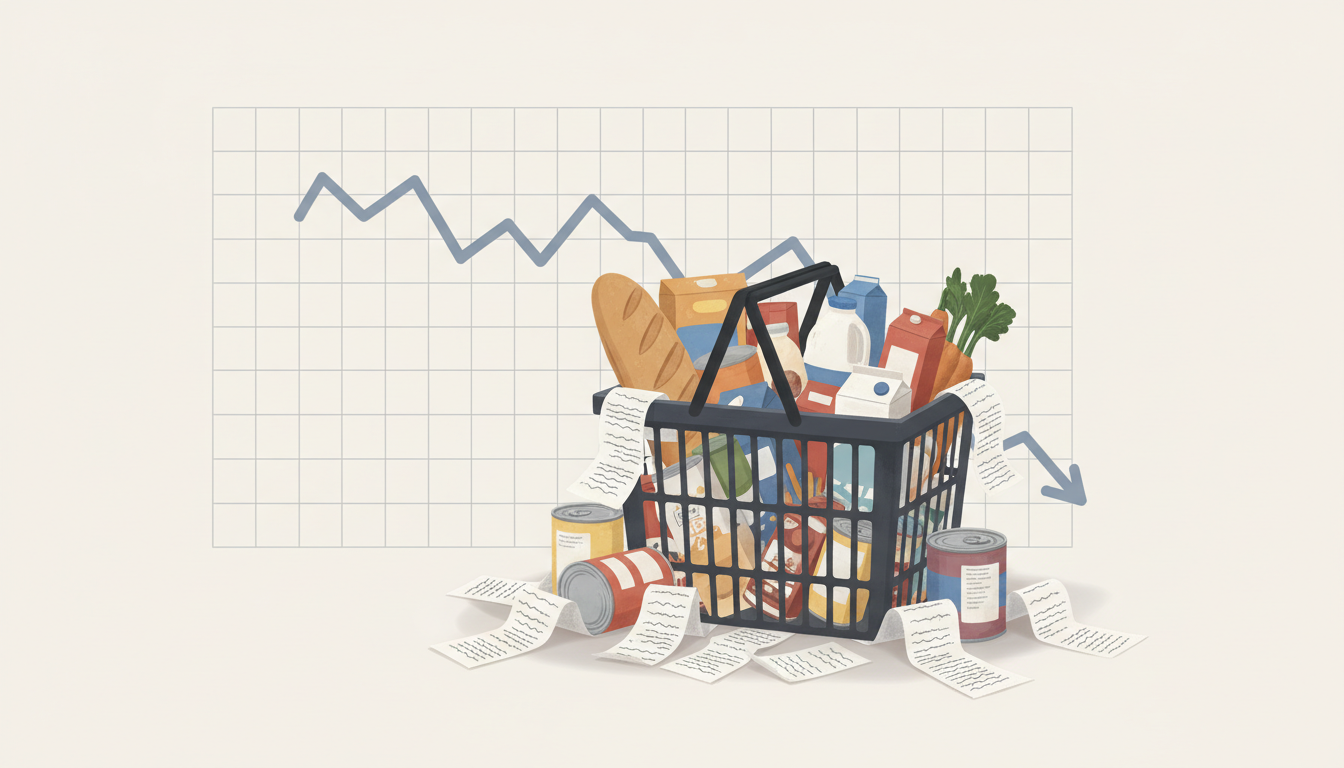
Higher energy prices can affect gasoline, transport, airline costs and broader inflation. These economic pressures may make foreign policy a more immediate domestic issue for voters. The extent of any effect on election outcomes remains uncertain.
Diplomatic differences remain
Reports describe continued diplomatic contacts alongside disagreements over sanctions, a US naval blockade and shipping through the Strait of Hormuz. Discussion of possible negotiations should not be presented as evidence that a ceasefire or final agreement has been reached.
Why the election calendar matters
Political observers are examining whether the approaching election increases pressure for a diplomatic breakthrough. US and Iranian leaders have said the American election timetable does not determine their decisions. Motives and negotiations should be attributed carefully rather than asserted as facts.
Sources and related coverage
Associated Press reporting; Related: US fuel supply announcement; Related: AI-generated campaign ads.
Discover more from NewsNation Online
Subscribe to get the latest posts sent to your email.
आपके लिए सुझाव





















Leave a Reply