
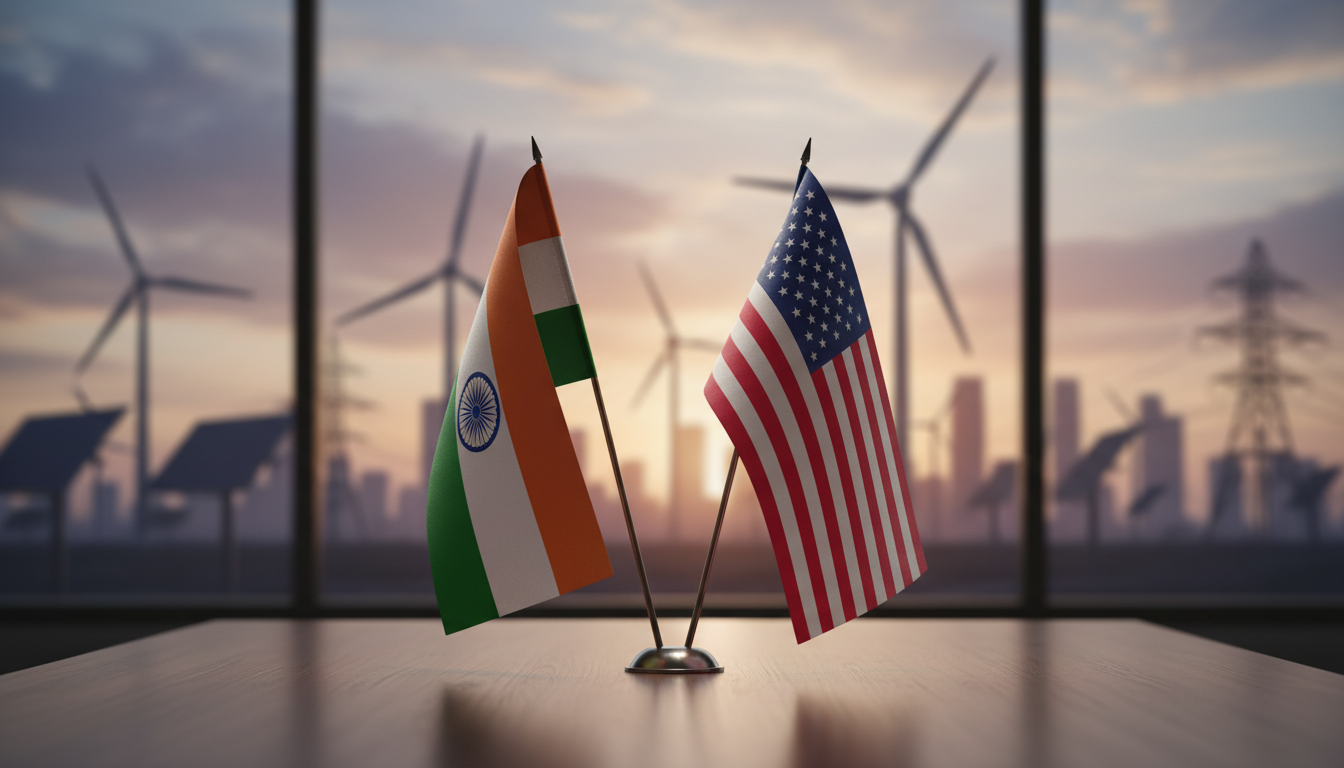
Mumbai / New Delhi, October 21, 2026. India’s External Affairs Minister S. Jaishankar and US Secretary of State Marco Rubio met in Mumbai on October 20 as the two countries sought to advance a long-awaited bilateral trade agreement. Their discussions included energy security, defence cooperation, technology and regional issues. Despite optimistic remarks from Washington, a final India–US trade agreement had not been signed at the time of reporting.
Rubio says trade agreement is close
Rubio indicated that the two sides were very close to completing negotiations, according to Associated Press reporting. The Indian Express reported that he expected progress within weeks and encouraged India to purchase more US energy and technology. Such comments signal political intent, not the legal completion of a trade pact.
Negotiations have faced difficulties over tariffs and India’s purchases of Russian oil. An earlier framework and ongoing legal drafting do not automatically mean that every provision has been finalized or implemented. Businesses should await the published agreement and effective dates before assuming changes to import duties or market access.
Energy security at the centre of talks
Energy cooperation was a prominent subject of the Mumbai meeting. For India, the price and reliability of imported energy influence transport costs, industry and household budgets. For the US, energy exports and associated investment represent a significant commercial opportunity. The countries are also considering ways to diversify supplies amid geopolitical uncertainty.
Reports said Rubio was scheduled to engage with Reliance Industries about potential energy cooperation. A scheduled meeting is not itself evidence of a signed supply or investment contract. Any future deal should be evaluated separately on its confirmed terms.
Technology, defence and regional cooperation
Jaishankar and Rubio also discussed technology and defence ties. These areas matter because advanced manufacturing, critical technology, supply chains and security cooperation affect both economies. However, no new procurement or technology-transfer agreement should be inferred merely from the fact that these topics appeared on the diplomatic agenda.
The ministers also participated in discussions involving the United Arab Emirates, reflecting the wider importance of regional energy security and economic links, AP reported.
What would a final agreement mean?
A signed trade pact could affect exporters, importers, manufacturers and consumers, depending on the sectors covered and the agreed tariff schedules. Yet the precise impact cannot be responsibly calculated without the final legal text. Important unanswered questions include which goods receive concessions, when provisions take effect, how compliance will be checked and whether any commitments are phased in.
Readers should distinguish between three stages: political announcements, a signed agreement and implementation. Headlines describing negotiations as close to completion should not be mistaken for confirmation that new rules are already in force.
What to watch next
The next meaningful developments would be a formal announcement by both governments, publication of the agreement’s terms and any confirmed commercial arrangements. Official updates can be followed through India’s Ministry of External Affairs and the US State Department.
For related coverage, see NewsNationOnline’s international news section and business coverage.
Sources: Associated Press, The Indian Express and The Economic Times, October 20–21, 2026. Featured image is an editorial illustration, not a photograph of the meeting.
Discover more from NewsNation Online
Subscribe to get the latest posts sent to your email.
आपके लिए सुझाव















Leave a Reply