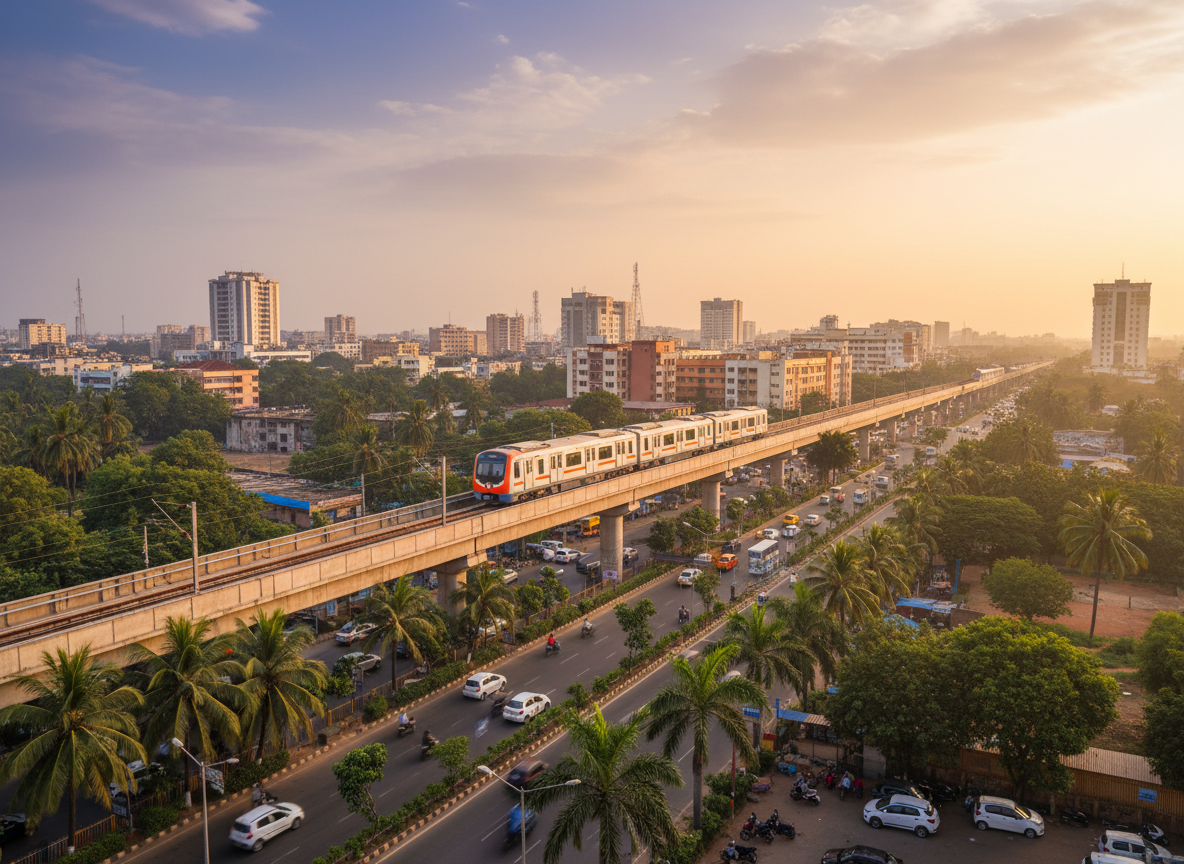

NAGPUR, October 2, 2026: The Maharashtra State Road Transport Corporation is preparing non-stop electric bus services on the Nagpur–Chandrapur and Nagpur–Wardha routes, according to recent reporting. The proposed services are part of a broader shift toward electric public transport and could provide additional intercity travel options from Nagpur.
Electric buses can reduce tailpipe emissions and noise compared with conventional diesel buses. For passengers, the usefulness of a new service will depend on frequency, fares, journey time, charging infrastructure and reliability.
Recent Maharashtra transport reporting said MSRTC plans non-stop e-bus services on the two routes. The exact operational timetable and fares should be confirmed through official MSRTC announcements.
Why Nagpur is an important electric-bus hub
Nagpur has strong road connections with cities and districts across Vidarbha and central Maharashtra. Intercity buses play an important role for passengers who do not use private vehicles or trains. Adding non-stop electric services could give passengers another option for selected journeys.
The success of electric intercity buses depends heavily on charging. Vehicles need reliable charging facilities at depots or route endpoints, and operators need contingency plans when a bus requires additional energy or a charging system is unavailable.
Potential benefits for passengers
A non-stop service can reduce the number of intermediate stops and potentially shorten travel time. Passengers travelling for work, education, medical appointments or family purposes may value predictable schedules.
Electric buses can also provide a quieter ride. Their environmental benefits are strongest when electricity generation and vehicle utilisation are considered over the full operating cycle.
Charging infrastructure is critical
Unlike diesel buses, electric buses cannot simply refuel at any station. Charging infrastructure has to be planned around battery capacity, route distance, passenger demand and turnaround time.
Operators also need maintenance systems for batteries, electric motors, power electronics and charging equipment. Staff training is therefore part of the transition to electric public transport.
What it could mean for diesel consumption
Replacing diesel-powered journeys with electric services can reduce direct fossil-fuel use by the bus fleet. The overall environmental impact depends on electricity sources, vehicle utilisation and battery manufacturing, so it is useful to consider the entire lifecycle rather than only the absence of tailpipe emissions.
What commuters should watch
Passengers should look for official announcements covering launch dates, boarding points, fares and daily schedules. New services can initially operate with limited frequency while operators assess demand.
NewsNationOnline’s Nagpur News section will track the launch. MSRTC updates can be checked through the Maharashtra State Road Transport Corporation.
Source note: The planned routes are based on current reporting. Final service dates, fares and frequency remain subject to official announcements.
आपके लिए सुझाव
