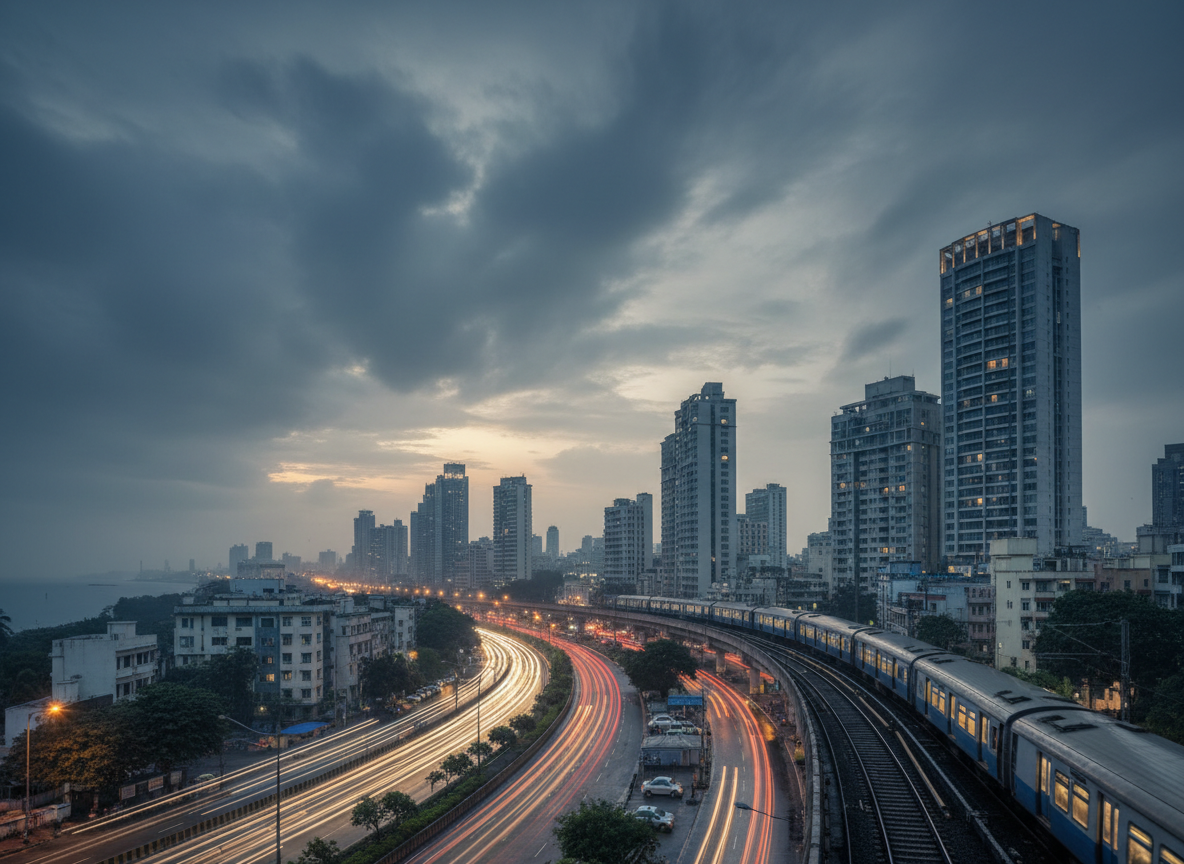

MUMBAI, October 2, 2026: The Brihanmumbai Municipal Corporation has announced a special drive against unauthorised structures in slum areas, focusing on structures exceeding 14 feet in height. Recent reporting said the civic body has identified more than 39,000 such structures for action during the campaign scheduled from October 1 to December 31.
Maharashtra Times reported the civic decision as part of a broader enforcement campaign. The drive raises questions about building safety, land use, rehabilitation policy and the need to distinguish eligible structures from those constructed without required permissions.
Why building height is being checked
Height is one indicator that can help authorities identify structures that may have been altered or expanded beyond permitted limits. In dense settlements, unauthorised vertical extensions can affect structural safety, emergency access, ventilation and the load placed on existing buildings.
However, enforcement must also follow the applicable legal and rehabilitation framework. A structure’s status cannot be determined solely by a headline figure; authorities need to verify records, eligibility, permissions and relevant court or government orders before taking action.
Why residents are watching the campaign
Slum redevelopment and rehabilitation are sensitive issues because homes are also livelihoods and family assets. Residents may be concerned about notices, surveys, demolition, rehabilitation eligibility and temporary arrangements. Clear communication is therefore essential.
Residents receiving a notice should read the document carefully and seek information from the competent authority. They should keep copies of identity documents, property or occupancy records and previous government correspondence where relevant. People should be cautious about intermediaries promising that a payment will guarantee protection from enforcement.
Public safety and unauthorised construction
Unauthorised construction can create genuine public-safety risks when structural changes are made without engineering approval. Additional floors or heavy extensions may increase loads on foundations and columns. Narrow access lanes can also make firefighting and ambulance movement difficult.
At the same time, enforcement should be based on verified records and due process. A large campaign covering tens of thousands of structures requires careful documentation to reduce errors and ensure that residents have access to appropriate grievance mechanisms.
The wider urban-planning challenge
Mumbai’s housing pressure has contributed to complex patterns of formal and informal development. The city needs both enforcement and additional affordable housing options. If unauthorised structures are removed without adequate rehabilitation where legally applicable, displaced households can face severe disruption. Conversely, failure to address unsafe construction can expose residents to physical risks.
What residents should verify
People should check the authority issuing a notice, the property or structure number, the stated legal basis and the deadline for response. Official municipal offices and government websites should be used to verify procedures. Residents should avoid relying solely on social-media posts or informal messages.
The Mumbai City district administration website provides public notices and citizen services. NewsNationOnline’s Mumbai News section will follow verified developments concerning the civic campaign.
What happens next
The campaign is scheduled to run through December 31. Its progress will depend on surveys, notices, verification, appeals and enforcement actions. The number of structures identified is not the same as the number ultimately removed; individual cases can have different legal and administrative outcomes.
Editorial note: The figures and campaign dates are based on current media reporting. This article does not make a legal determination about any individual structure or resident.
आपके लिए सुझाव
