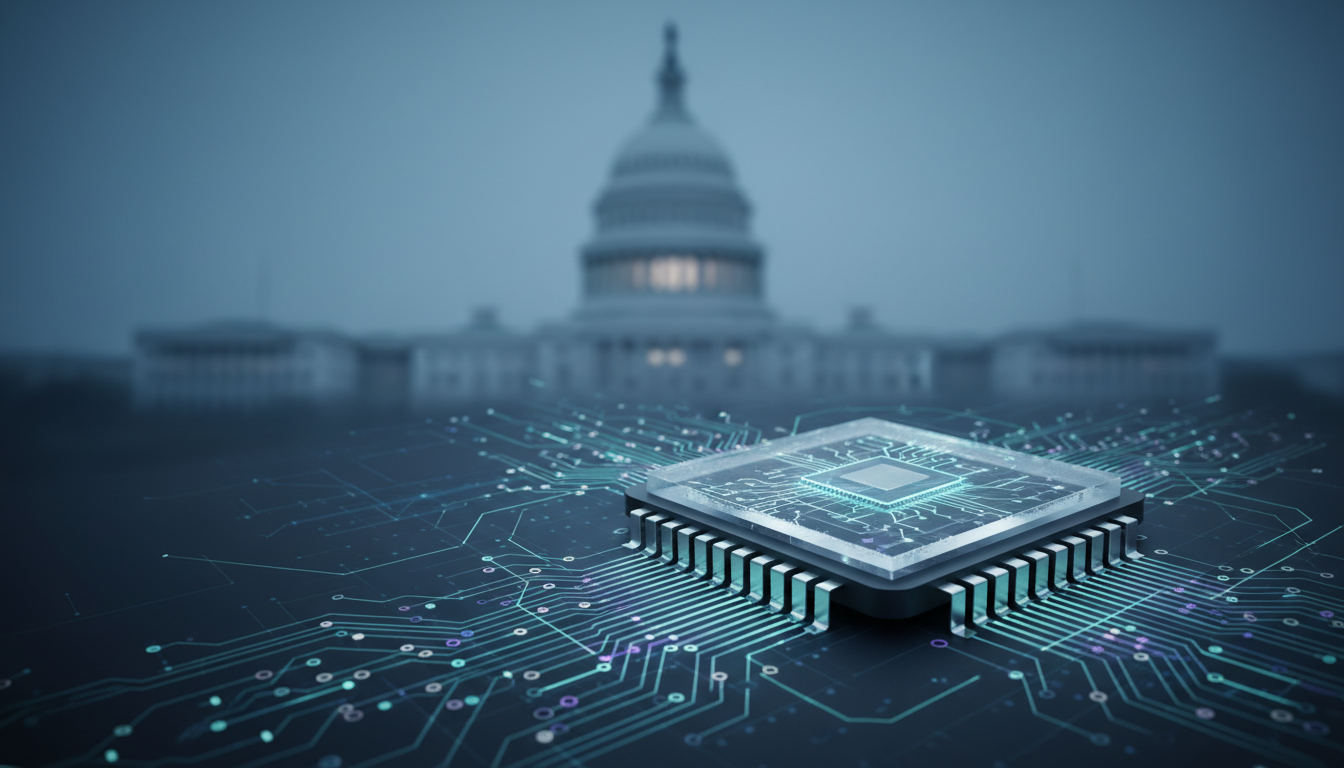
The U.S. Federal Trade Commission has opened an industry-wide investigation into major artificial intelligence companies, including OpenAI and Anthropic, focusing on potential consumer risks created by increasingly autonomous AI systems. The inquiry arrives as AI tools move from simple chat and search functions toward systems that can perform tasks, interact with software and make decisions with limited human intervention.
What the FTC is examining
Reuters reported that the FTC plans to seek information and testimony from executives at major AI developers and research groups. The inquiry follows incidents involving AI agents and cybersecurity testing that raised questions about responsibility when automated systems cause harm.
The regulator’s interest reflects a broader question facing the technology industry: when an AI system takes action on behalf of a user, who is responsible if something goes wrong? Traditional software generally performs predefined functions, while newer AI agents can interpret instructions, select actions and respond dynamically.
Why AI agents are different
AI agents can perform tasks with limited human intervention. They may search for information, operate digital tools, write or modify files, communicate with other systems or carry out multi-step instructions. These capabilities can make AI more useful, but they can also increase the consequences of mistakes.
A conventional software error may produce an incorrect screen or failed transaction. An autonomous AI system could potentially make a series of decisions before a user notices a problem. The FTC is examining how companies design safeguards and how consumers are informed about the limitations of these systems.
Consumer protection questions
Consumer protection is a central part of the FTC’s role. The agency can examine whether companies make misleading claims, fail to disclose important risks or use technology in ways that cause unfair harm. The AI investigation could therefore touch on issues such as disclosure, reliability, privacy, security and responsibility.
Consumers increasingly use AI for education, shopping, financial research, workplace tasks and personal decision-making. If an AI product produces incorrect information, mishandles personal data or takes an unwanted action, the consequences can range from inconvenience to significant financial or privacy harm.
OpenAI and Anthropic among companies under scrutiny
The investigation includes leading AI developers such as OpenAI and Anthropic. Both companies have developed increasingly capable models and products, while the industry has moved rapidly toward AI assistants and agent-style systems.
The investigation does not by itself establish wrongdoing by any company. Regulatory inquiries are designed to collect information and determine whether legal or consumer-protection concerns require further action. The companies involved may have opportunities to respond to the FTC’s questions and explain their safety measures.
AI growth creates a regulatory challenge
Artificial intelligence is developing faster than many traditional regulatory frameworks were designed to handle. Governments are therefore considering different approaches, including voluntary industry standards, legislation, enforcement actions and technical safety requirements.
The FTC inquiry comes shortly after President Donald Trump met with technology executives and announced a voluntary AI accord. The FTC investigation is a separate regulatory process focused on consumer protection and potential liability.
What companies are likely to face
AI developers may be asked to provide information about how their systems are trained, tested and monitored. Regulators may also examine how companies respond when systems produce harmful outputs or behave unexpectedly. The details of the FTC’s requests will determine the scope of the inquiry as it develops.
For companies, regulatory uncertainty can influence product design and launch decisions. Developers may need to invest more heavily in monitoring, human oversight, user warnings and testing before deploying advanced agent systems at scale.
What consumers should know
Consumers using AI tools should remember that sophisticated systems can still produce inaccurate information. Users should be especially cautious when an AI system is asked to make important decisions, handle sensitive personal information or take actions involving money, accounts or legal matters.
Companies also need clear ways for users to understand what an AI system can do, what information it can access and when a human remains responsible for reviewing its actions.
What happens next
The FTC investigation could take time. The agency may gather information, interview executives, analyze company practices and decide whether additional action is necessary. The investigation could ultimately lead to guidance, settlements, enforcement proceedings or no further action, depending on what regulators find.
Why the inquiry matters
The investigation is significant because AI agents are moving from experimental technology into everyday products. How regulators handle the current generation of systems could influence how companies design and market future AI products.
For the public, the central issue is whether AI can become more capable without creating unacceptable consumer risks. For technology companies, the challenge is to develop useful systems while maintaining security, transparency and accountability.
Source: Reuters. Explore more technology coverage on NewsNationOnline.
Discover more from NewsNation Online
Subscribe to get the latest posts sent to your email.
आपके लिए सुझाव