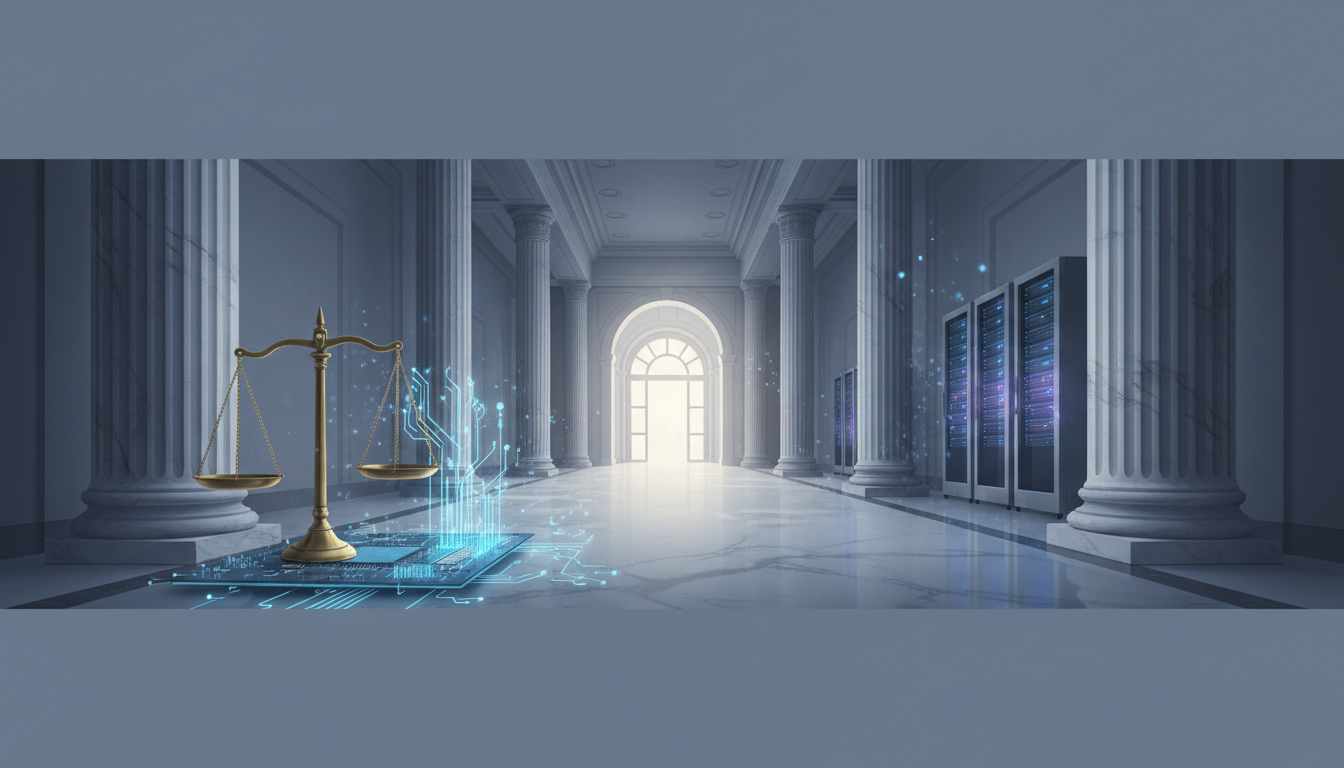
October 14, 2026: Anthropic has asked a federal appeals court in Washington, DC, to rehear its case challenging the Pentagon’s decision to designate the AI developer a national security supply-chain risk. The request, filed on October 13, follows a September ruling that upheld the government’s designation in a 2–1 decision, according to Reuters.
What is the dispute about?
The Pentagon and Anthropic have disagreed over restrictions on how the company’s AI technology may be used. Anthropic has maintained safety guardrails against uses including autonomous weapons and mass surveillance. The government has argued that those restrictions could interfere with military operations. The dispute has become a significant test of how government procurement and private AI safety policies interact.
What did the appeals court decide?
In September, a divided federal appeals court upheld the Pentagon’s designation. The majority concluded that the department acted reasonably in its assessment of risks arising from restrictions on the technology’s deployment. Anthropic disputes that conclusion and is seeking another review. A rehearing request is not itself a reversal of the court’s ruling.
What is Anthropic arguing now?
In its petition, the company argued that the panel had interpreted a federal law designed to address hostile foreign actors too broadly, applying it to a domestic government contractor. Anthropic also argues that it did not receive an adequate pre-designation process and that its public views on AI safety played a role in the action. Those are the company’s legal arguments, not findings established by the court.
Why does the case matter to the AI industry?
AI companies increasingly work with government agencies while developing their own policies for high-risk applications. The case raises questions about how much operational control a government customer can require and whether a contractor’s safety restrictions can be treated as a supply-chain concern. Its outcome could influence future government contracting discussions, though no industry-wide rule has been established by this petition.
Business implications
Anthropic has said the blacklisting cost it billions of dollars in lost business. That is the company’s characterization of its losses and should not be confused with a court-awarded amount. The Pentagon’s designation affects federal procurement relationships, but it does not establish that Anthropic’s consumer products are generally prohibited.
Separate legal proceedings
Reuters reported that a federal judge in California struck down a parallel designation under a different law in August. That separate decision does not automatically overturn the Washington appeals court ruling. The legal proceedings therefore need to be followed individually.
What happens next?
The appeals court must decide whether to grant rehearing. Until it does, the September decision remains the relevant appellate ruling. Neither a rehearing date nor a new outcome should be assumed without a court announcement.
Sources: Reuters, October 14; September appeals court coverage. Related reporting: NewsNationOnline’s report on the earlier ruling.
Discover more from NewsNation Online
Subscribe to get the latest posts sent to your email.
आपके लिए सुझाव






















Leave a Reply