Story and storyboards
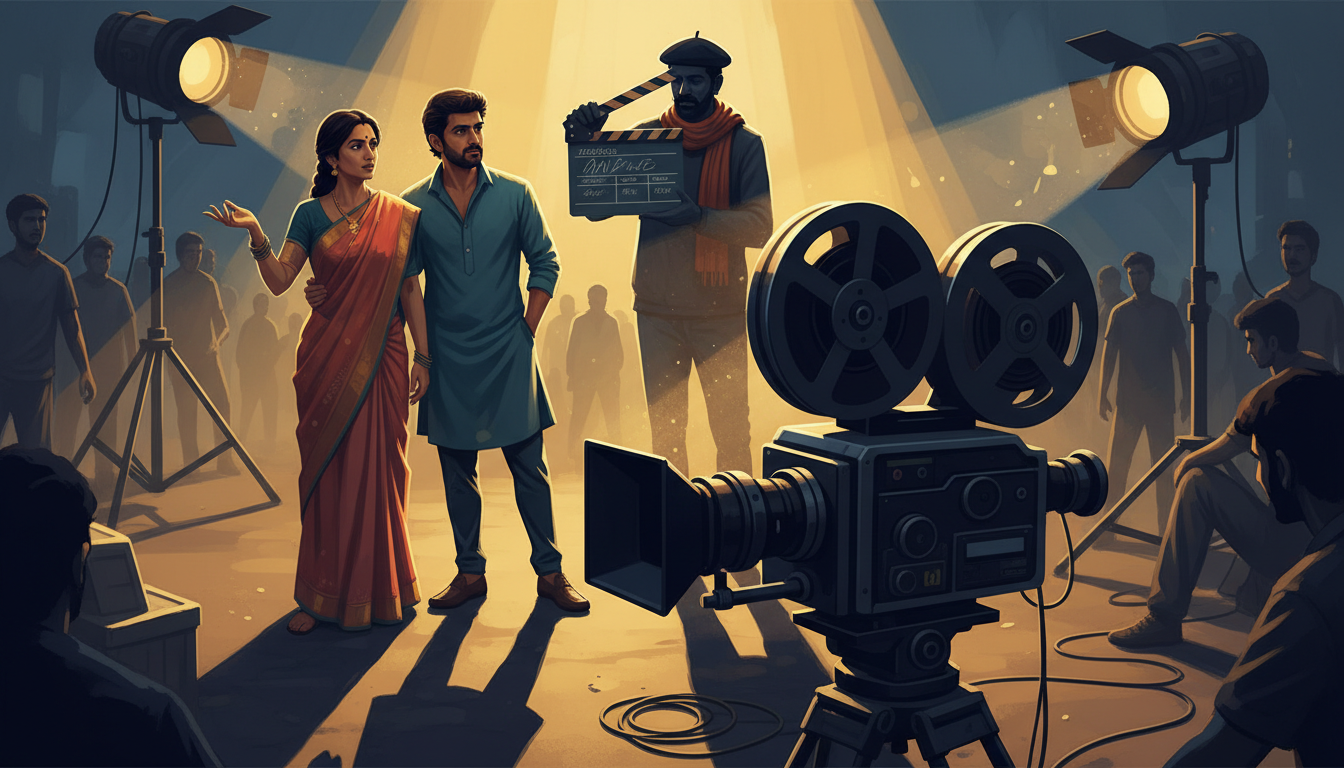
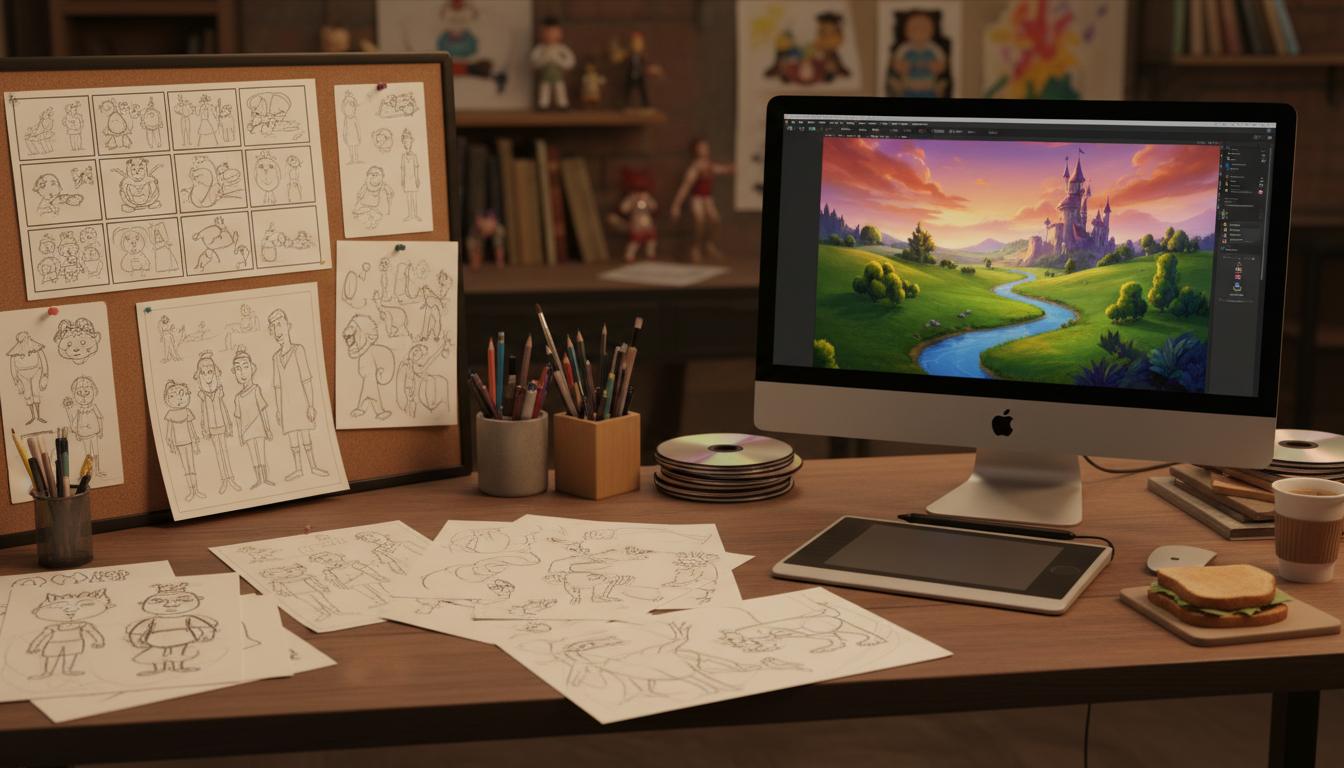
Production begins with a story idea, script or other source material. The creative team develops characters, conflict and the sequence of events. Storyboards translate the script into drawings that show framing, action and approximate timing. They help filmmakers test whether a scene is understandable before committing to detailed production. Storyboards are not merely illustrations. They help identify missing story beats, confusing transitions and opportunities for visual comedy or emotion. Scenes may be revised repeatedly as the film develops.Designing characters and worlds
Character designers explore shapes, proportions, expressions, costumes and movement. Environment artists create the spaces where characters live and act. A successful design communicates personality and story information quickly: a silhouette may be recognisable, while colour, texture and scale help establish a world’s mood. Design choices also need practical consistency. A character must remain recognisable from different angles and expressions, and an environment must support the camera views needed by the story. In computer animation, teams may build digital models; in hand-drawn work, artists create drawings that maintain the same design across frames.Layout and animation
Layout establishes camera positions, composition and the spatial relationships between characters and their surroundings. Animators then create movement. They consider weight, balance, anticipation, timing and follow-through so an action feels readable rather than mechanical. A tiny pause before a character speaks can reveal uncertainty; a change in posture can communicate confidence or fatigue. Different animation methods use different workflows. Traditional animation builds movement through drawings, stop-motion photographs physical models frame by frame, and computer animation uses digital rigs and models. These approaches can overlap, and artists continue to experiment with mixed techniques.Lighting, effects and rendering
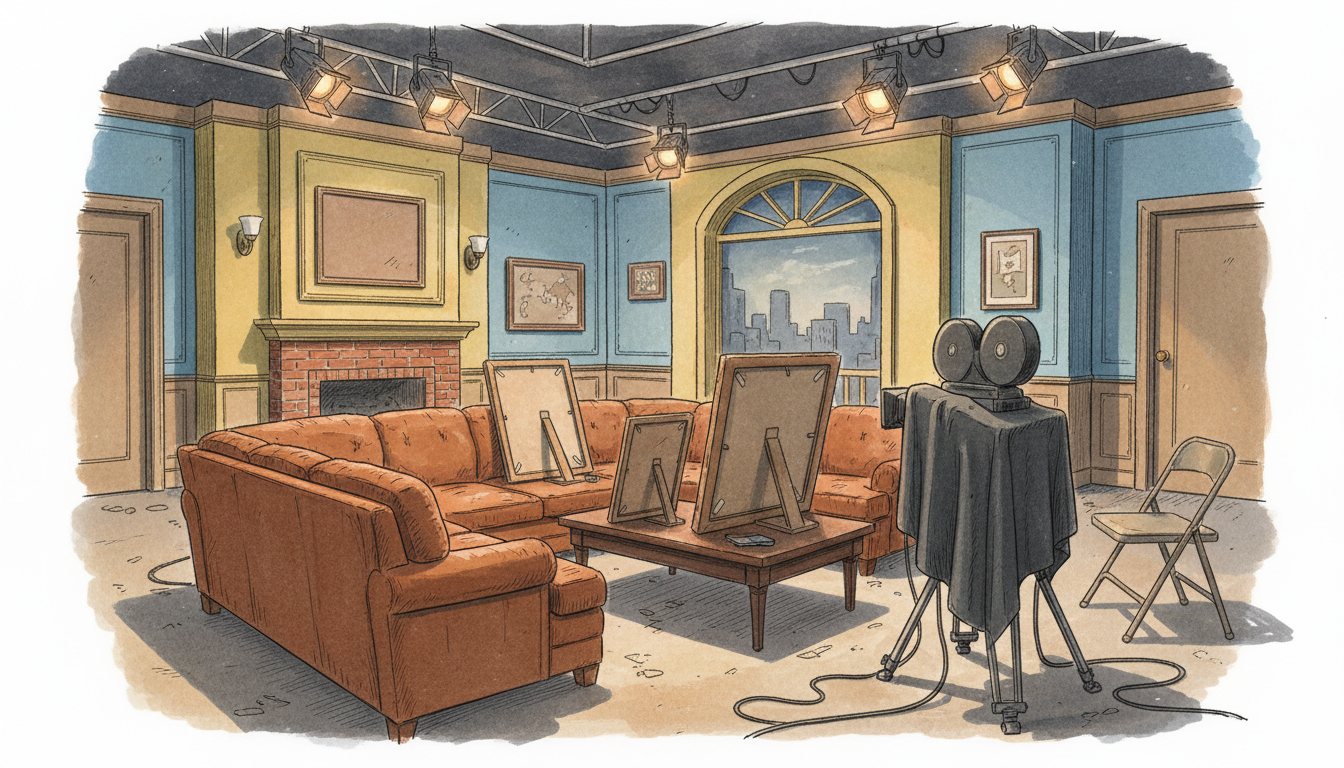
After movement and camera work are established, teams refine surfaces, lighting, shadows and atmosphere. Effects artists may create water, smoke, dust, magic or other simulated phenomena. In computer-generated animation, rendering calculates the final image from the scene’s models, materials, lights and camera. Complex shots may require significant computing time and repeated adjustments.Editing, music and sound
Animation is edited throughout production, not only at the end. The timing of a reaction, the length of a pause and the order of shots can change how a joke or emotional moment lands. Voice performances, dialogue editing, music and sound effects then give scenes additional personality and depth.Why animation is not just for children
Animation is a medium, not a genre. It can tell stories for young audiences, adult dramas, documentaries, fantasy adventures, satire and experimental cinema. Its visual freedom allows creators to represent memories, impossible landscapes or abstract ideas in ways that live-action photography may not easily achieve. For further exploration, visit the Academy of Motion Picture Arts and Sciences for filmmaking craft resources and NewsNation Online’s Entertainment section. Our guide to streaming and Hollywood provides wider context on how animated work reaches viewers.Frequently asked questions
How long does an animated film take to make?
Timelines vary widely with length, complexity, team size, style and how much of the production changes during development. There is no universal schedule.Is computer animation easier than hand-drawn animation?
Each method has different demands. Digital tools can reuse models and rigs, but they still require artistic judgement, technical skill and extensive iteration.What is a storyboard?
A storyboard is a sequence of drawings that plans the shots and action of a scene before full production.Also read:
➤ What to Watch This Week: Minions & Monsters, Matthew Perry Documentary and New Series
➤ OTT Releases October 23, 2026: Gajab Raat, Chaar Yaar, Lupin 4 and More
➤ Wildwood Movie Review: Laika’s Stop-Motion Fantasy Blends Visual Craft with Emotional Adventure
जालना, महाराष्ट्र और देश-दुनिया की ताज़ा खबरें
सीधे अपनी Facebook फ़ीड में पाएँ — News Nation Online पेज को Follow करें।
👍 Facebook पर Follow करेंसीधे अपनी Facebook फ़ीड में पाएँ — News Nation Online पेज को Follow करें।
Discover more from NewsNation Online
Subscribe to get the latest posts sent to your email.
Never miss a storyFollow News Nation Online on WhatsApp for breaking news from India and the world.
आपके लिए सुझाव