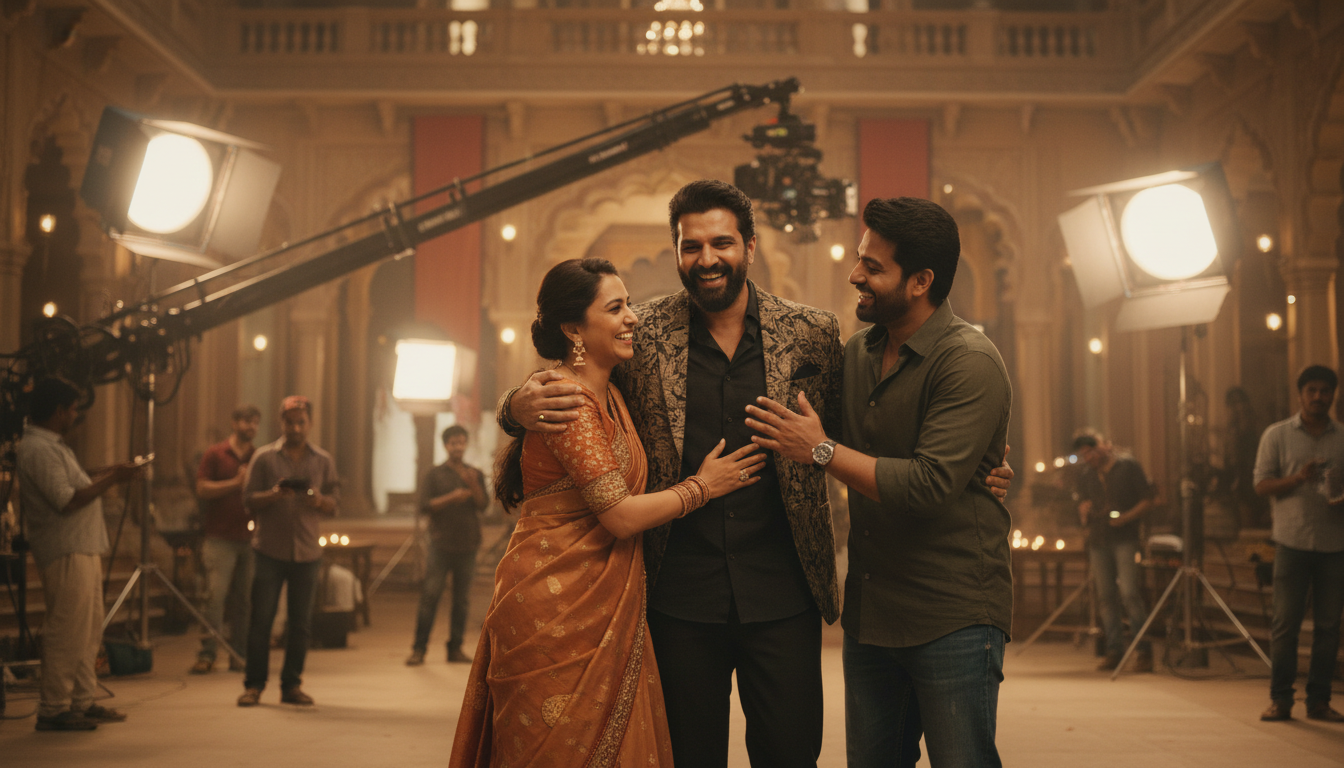
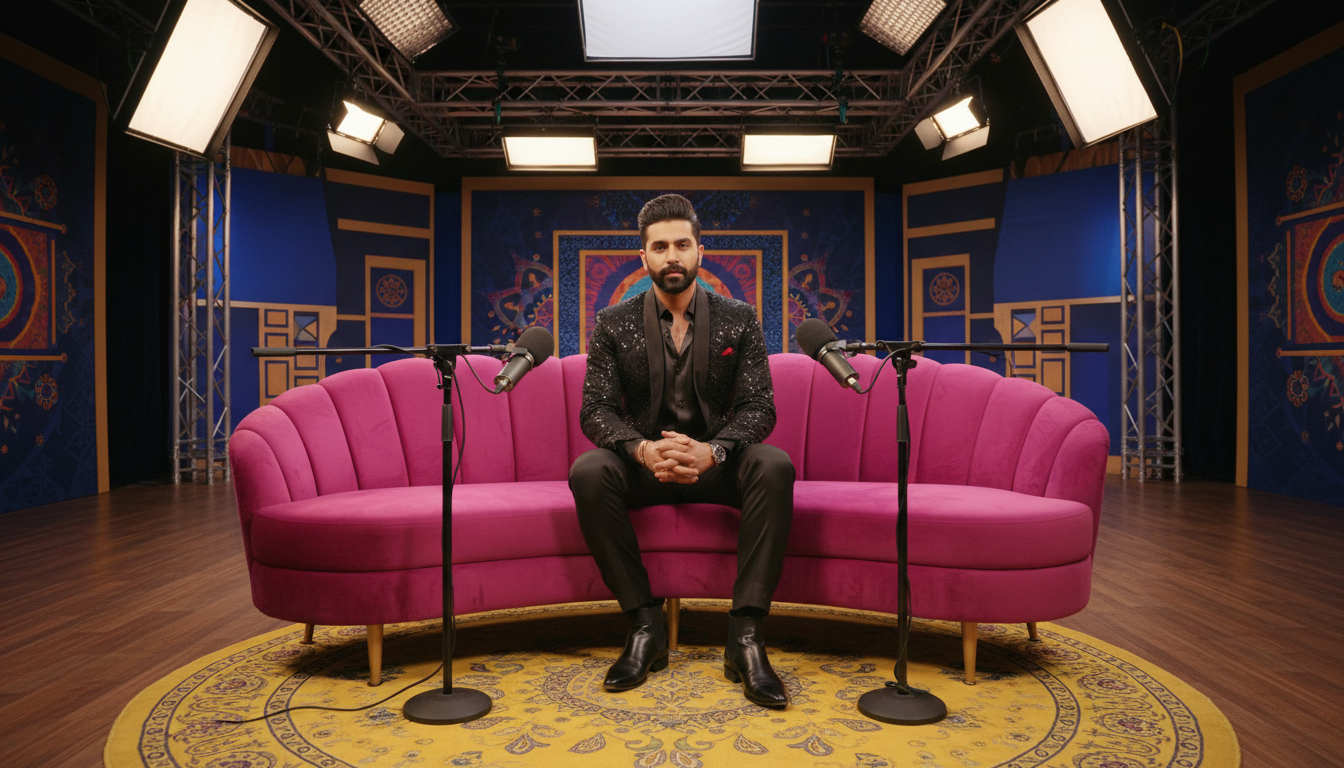
Documentary films explore real people, events, places and questions through recorded images and sound. They can investigate public issues, preserve cultural memory, follow a personal journey or observe everyday life. Although documentaries are rooted in reality, they are still constructed works: filmmakers choose whom to interview, what to record, which scenes to include and how to arrange the material.
Research before filming
Strong documentary work begins with questions and research. Filmmakers may review public records, books, news reports, photographs, archives and earlier interviews before approaching participants. Research helps identify what is known, what remains disputed and what evidence could clarify the story.
Verification is essential when a film makes factual claims. A dramatic interview may be sincere but still incomplete or mistaken. Responsible teams compare accounts, seek primary records when available and give relevant people a fair opportunity to respond to serious allegations.
Different documentary approaches
Some documentaries use narration and expert interviews to explain a subject. Others follow events as they unfold, build around a personal essay or use archival material to revisit the past. Observational films may minimise visible intervention, while participatory films acknowledge the filmmaker’s relationship with the subject. Each approach creates different expectations for viewers.
Consent and the power relationship
Participants should understand the project as far as practical, including how footage may be used and the likely audience. Consent can be complicated when people are vulnerable, discussing trauma or appearing in situations with unequal power. Ethical filmmaking requires sensitivity to safety, privacy and the possibility that circumstances may change during a long production.
Consent alone does not answer every ethical question. Filmmakers must consider whether a scene could expose someone to harm, whether identifying details are necessary and whether the finished film represents participants fairly. The public interest in a story should be weighed against foreseeable risks.
Editing shapes meaning
Editing determines the order of scenes, the pace of information and the relationship between images and statements. A technically accurate quotation can become misleading if removed from context. Music, reaction shots and juxtaposition can influence how audiences interpret a person. Ethical editors check that the overall impression is fair, not merely that individual sentences are technically correct.
Archives, reconstruction and transparency
Historical documentaries often use photographs, news footage, letters and other records. Teams should establish where material came from, confirm dates and captions, and respect licensing terms. If a reconstruction or illustrative sequence is used, clear labelling can help audiences distinguish it from original footage. Visual polish should not obscure the difference between evidence and interpretation.
How viewers can assess a documentary
Ask who made the film, what sources it cites, whether competing evidence is acknowledged and whether its conclusions follow from the material shown. A documentary can have a clear point of view and still be careful with facts. Strong work makes it possible to understand both the argument and the evidence supporting it.
The Library of Congress provides extensive resources for archival research, while the British Film Institute explores cinema and screen culture. For more film context, visit NewsNation Online’s Entertainment section and read our history feature on Hollywood’s Production Code.
Frequently asked questions
Are documentaries completely objective?
No film can include every detail or perspective. Responsible documentaries are transparent about methods, verify claims and avoid presenting selective editing as the whole story.
Can documentaries use reenactments?
Yes, but reconstructions should be clearly distinguished from original footage and should not create a false impression of direct evidence.
Why does fact-checking matter in documentary films?
Documentaries can influence public understanding of real people and events, so inaccurate claims or misleading editing can cause lasting harm.
Discover more from NewsNation Online
Subscribe to get the latest posts sent to your email.
आपके लिए सुझाव