
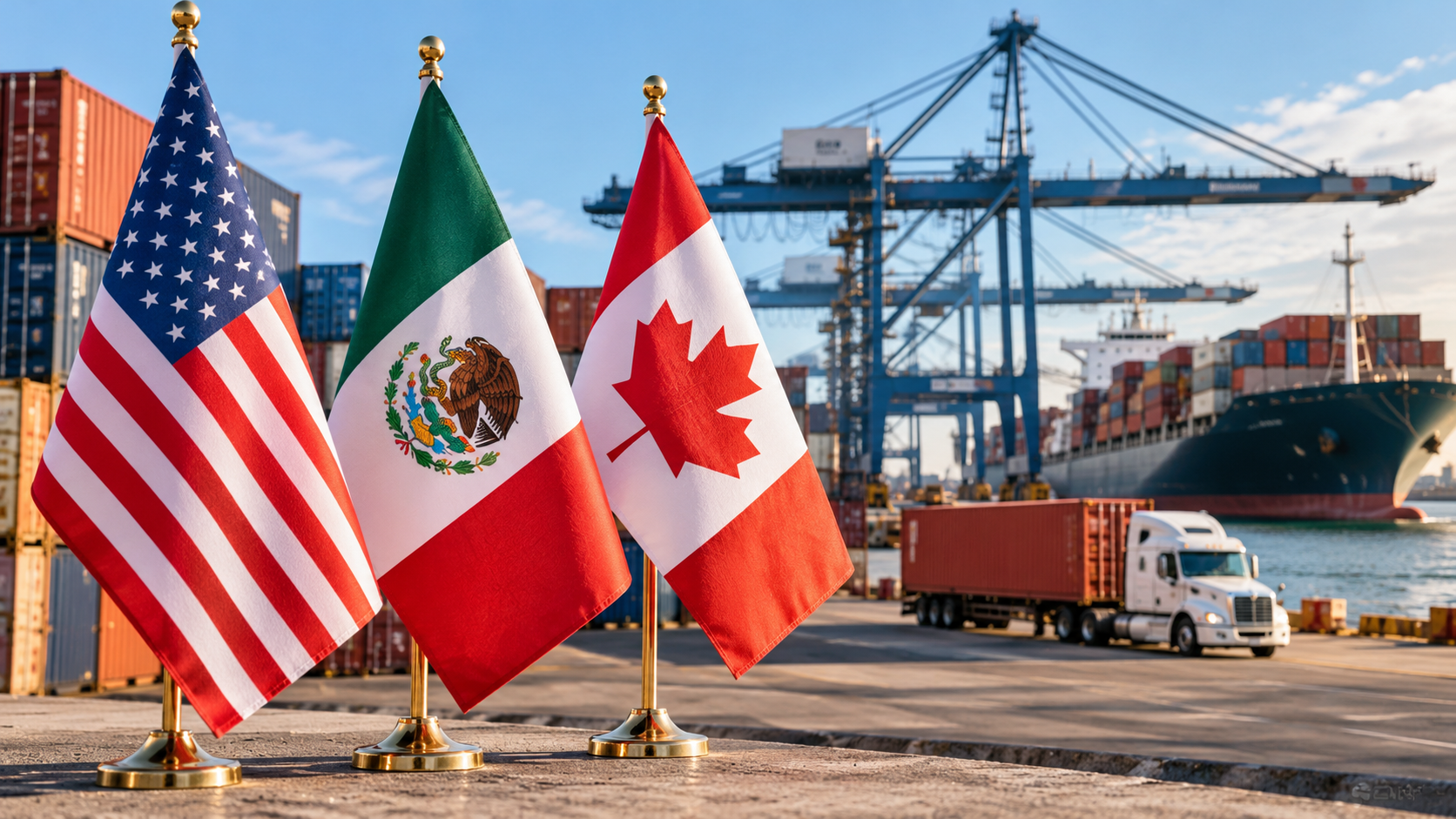
NewsNationOnline | North America Desk | October 21, 2026. Negotiations aimed at reducing American tariffs on Mexican automobiles, steel and aluminum have reportedly stalled. Reuters, citing a Wall Street Journal report, said Commerce Secretary Howard Lutnick opposed substantial reductions in existing duties. Mexico’s deputy trade minister nevertheless described progress in discussions, underscoring the difference between stalled momentum and a definitive breakdown. The automotive industry depends on components moving across borders multiple times before a vehicle is sold. Uncertainty over tariff rates can affect supplier pricing, factory investment and long-term production planning. Any eventual agreement will need to be judged by its actual terms rather than negotiating signals.
Why this matters
Why it matters: North America’s economies are tightly linked through investment, production, migration and consumer markets. A change in one country can affect decisions elsewhere, although the scale and timing of any impact depend on the details. Readers should distinguish confirmed policy, reported negotiations and longer-term projections.
What happens next
What readers should watch: official government announcements, regulatory texts, court decisions where relevant, and updated data. Early headlines can describe intentions rather than rules that have actually taken effect. Businesses and households should check the latest primary-source guidance before acting.
The bigger picture
The wider context: trade, technology, employment and energy decisions often create both opportunities and costs. Policymakers must balance economic growth with affordability, security and predictable rules. This explainer provides context rather than personal legal, immigration or financial advice.
Source and further reading: Read the original report or official guidance. Explore more coverage on NewsNationOnline.
Related North America coverage: Mexico manufacturing | USMCA review.
Where talks stand: Reuters reported on October 16, citing the Wall Street Journal, that negotiations over US tariffs on Mexican vehicles, steel and aluminium had slowed amid disagreement about reductions. Officials described dialogue as continuing, so a slowdown should not be mistaken for a formally terminated negotiation. Automotive supply chains are particularly exposed because parts and finished vehicles cross borders. A proposed concession would need official confirmation and implementation before importers could treat it as a change in tariff liability. Read the Reuters report.
Why vehicles are sensitive: North American automakers use parts made in multiple countries. A tariff imposed at one stage can affect sourcing, manufacturing margins and eventual vehicle prices. Different treatment may apply depending on the tariff authority, product classification and whether goods satisfy applicable trade-agreement requirements.
Steel and aluminium: These inputs matter for vehicles, construction and industrial equipment. Higher import costs can benefit some domestic producers while increasing costs for downstream manufacturers. The balance varies across industries and cannot be summarized by one national employment figure.
Negotiations versus implemented rules: Reports of talks, proposals or pauses should be distinguished from legally effective changes. Importers should consult official customs notices and the Office of the US Trade Representative before changing compliance procedures.
Discover more from NewsNation Online
Subscribe to get the latest posts sent to your email.
आपके लिए सुझाव






Leave a Reply