

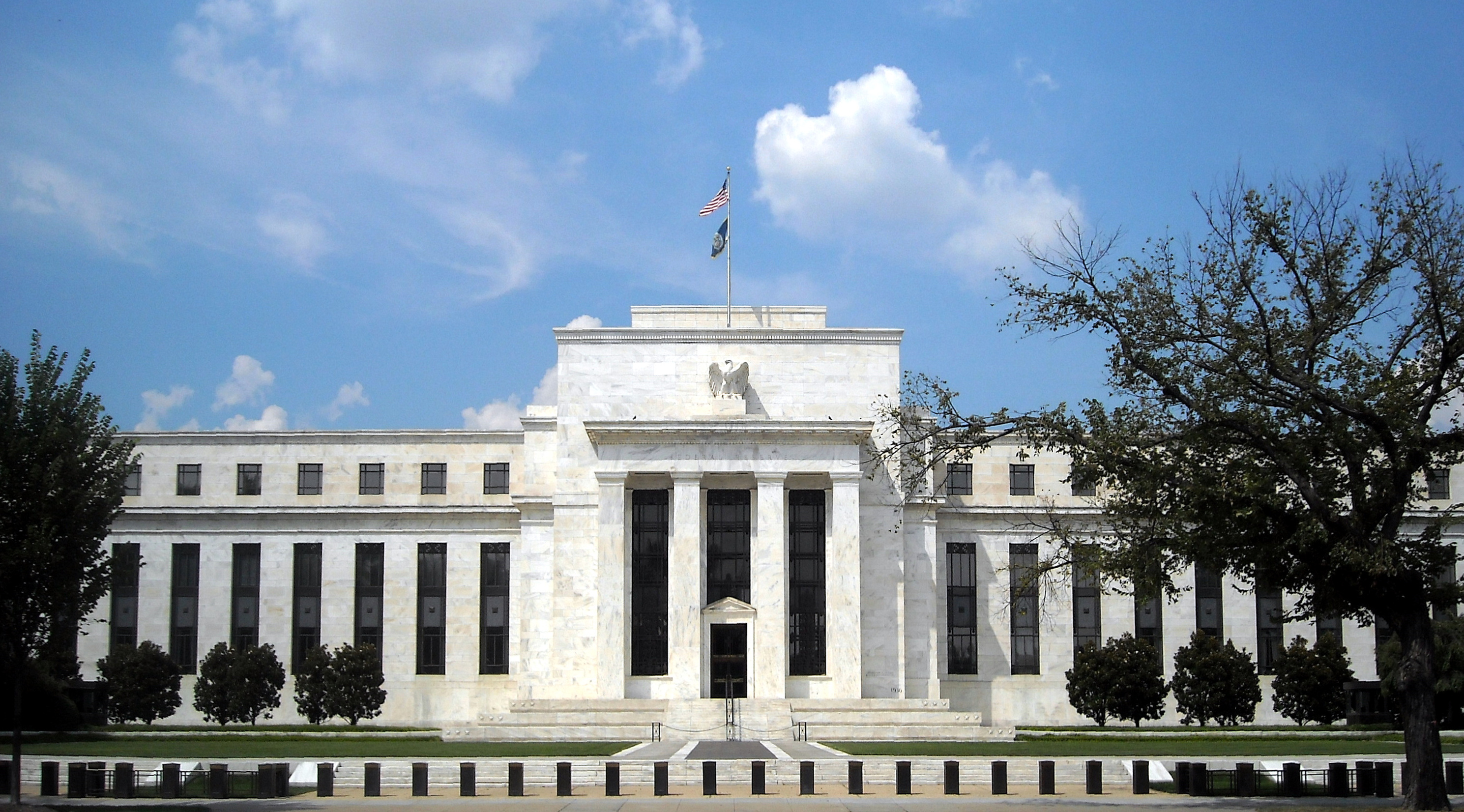
United States | NewsNationOnline. The Federal Reserve is the central bank of the United States. One of its most visible responsibilities is monetary policy, including decisions about the target range for the federal funds rate. That short-term benchmark influences financing conditions across the economy, although mortgage, credit-card and business-loan rates do not move in perfect lockstep. When inflation is high, tighter policy can reduce demand by making borrowing more expensive. When economic activity weakens, lower rates may support spending and investment. The Fed also monitors employment and financial stability. Policy changes often take time to affect prices and jobs, which is why officials examine multiple economic indicators before acting. For households, understanding the distinction between the Fed’s policy rate and the rates offered by banks can help with borrowing and saving decisions.
Why it matters
This explainer is intended as a starting point; always check official information for updates and individual circumstances.
Source and further reading: Original reporting or official guidance. Explore more NewsNationOnline coverage.
Also read:
➤ Nasdaq Falls 5.52% as AI Stock Selloff Hits Wall Street
➤ US GDP Grew 3.4% in Q3 2026: What Drove the Economy
➤ World Bank Sees Commodity Prices Jumping 23% in 2026
सीधे अपनी Facebook फ़ीड में पाएँ — News Nation Online पेज को Follow करें।
आपके लिए सुझाव


